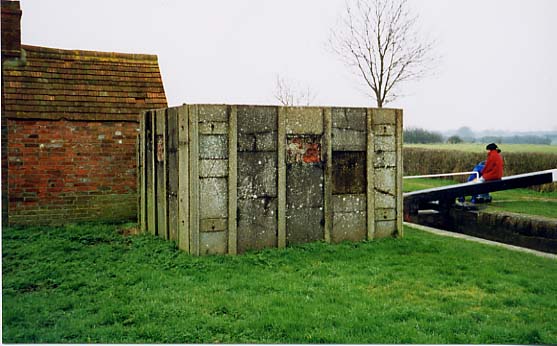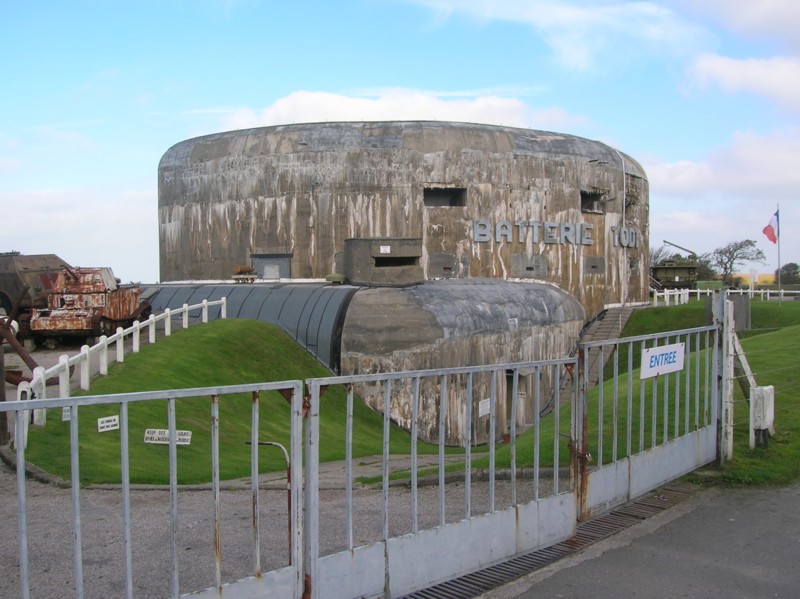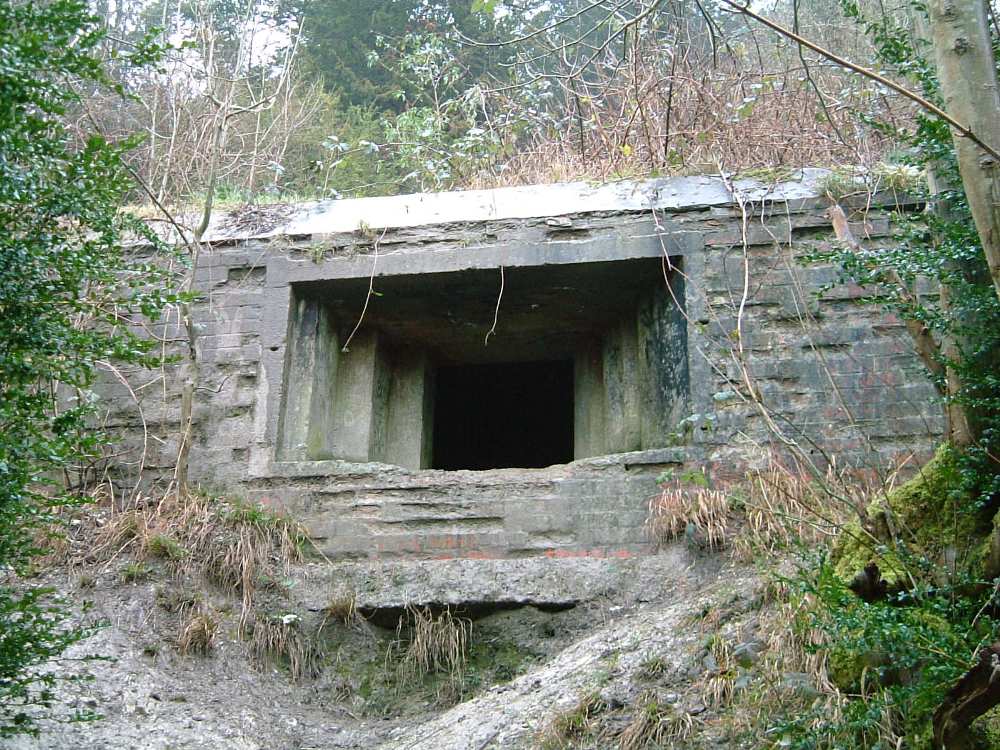
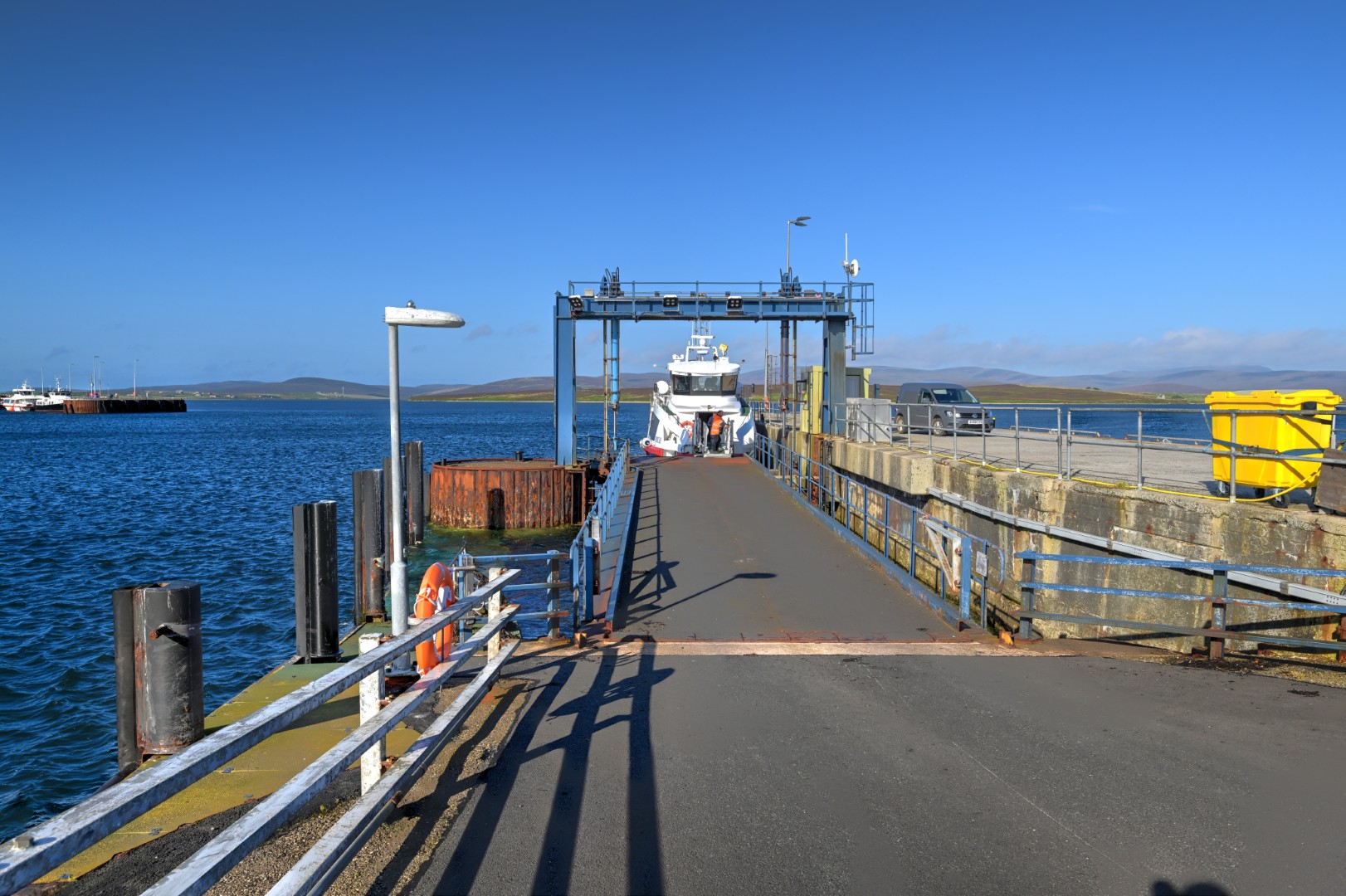
Sunday 1st September 2024 saw me catching the 08:45 newly introduced, passenger only, Nordic Sea ferry from Stromness to Flotta to spend most of the day exploring the Golta Peninsula, on foot for a change. Unfortunately this service is now discontinued. Previous explorations here have been car or bike based. It is possible to get a Ford Galaxy with 6 people on board as far as the Z battery with very careful driving!
A brisk 1 mile walk up the hill from the ferry terminal takes us to the gate to the track down the peninsula. (with a small diversion to investigate a possible dummy HAA battery – which proved inconclusive). A phone call to the oil terminal security is required at this point. Once through the terminal we pick up the original road to the various installations further along. The first we come to is a barrage balloon site, at ND 36074 95600 – not much to see here other than the two concrete chocks for the balloon winch lorry.
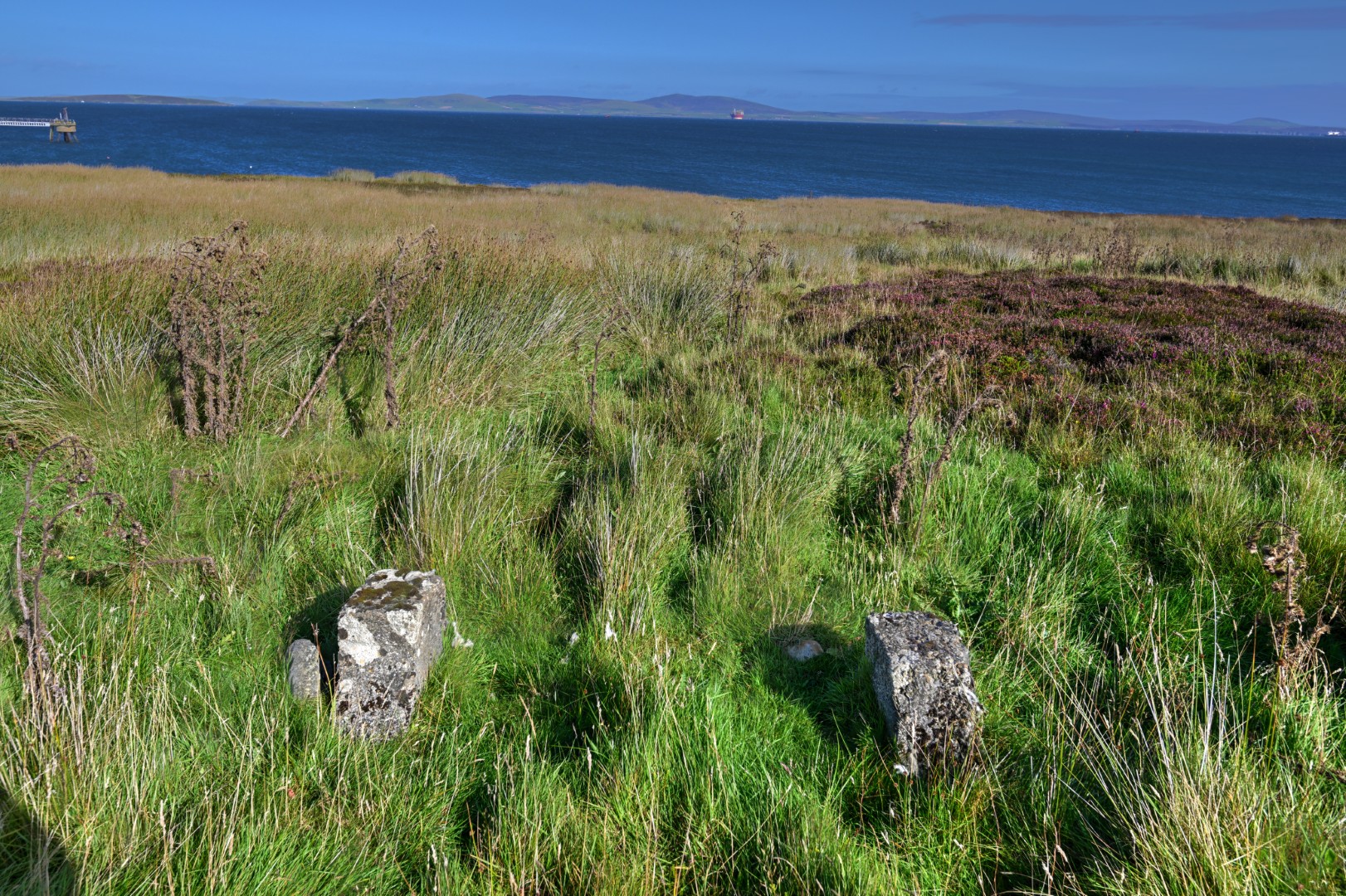
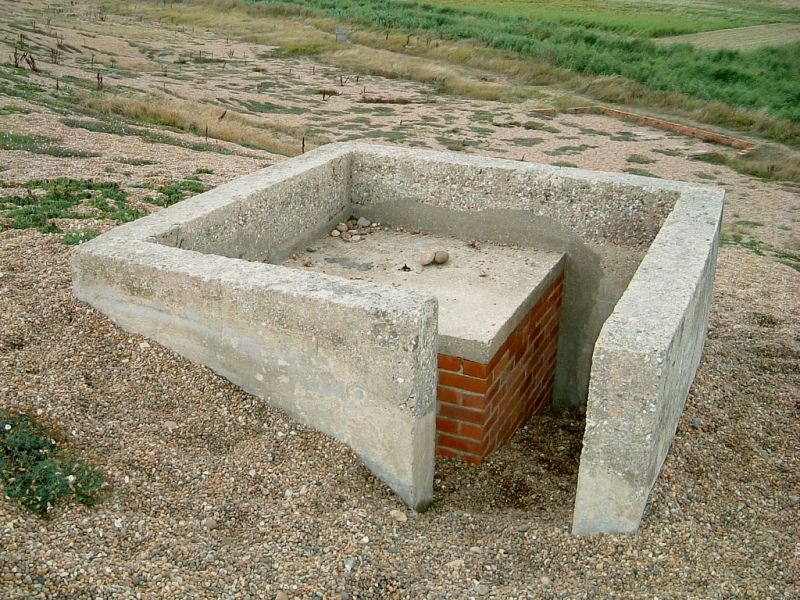
Carrying on along the “road” we pass various hut bases and other concrete remains. Above the road at ND 36587 95739 is a LAA position. (pic 2) Further along we come to a right turn up the hill, passing considerable amounts of camp remains to either side of the track, to the Z battery (ND 36882 95565) – a grid of 64 rocket launcher bases, each with two concrete covered corrugated iron rocket stores / crew shelters. This is the only surviving Z battery in the UK, probably because it is so remote. Nevertheless, it continues to decay with less and less ammo shelters remaining intact.
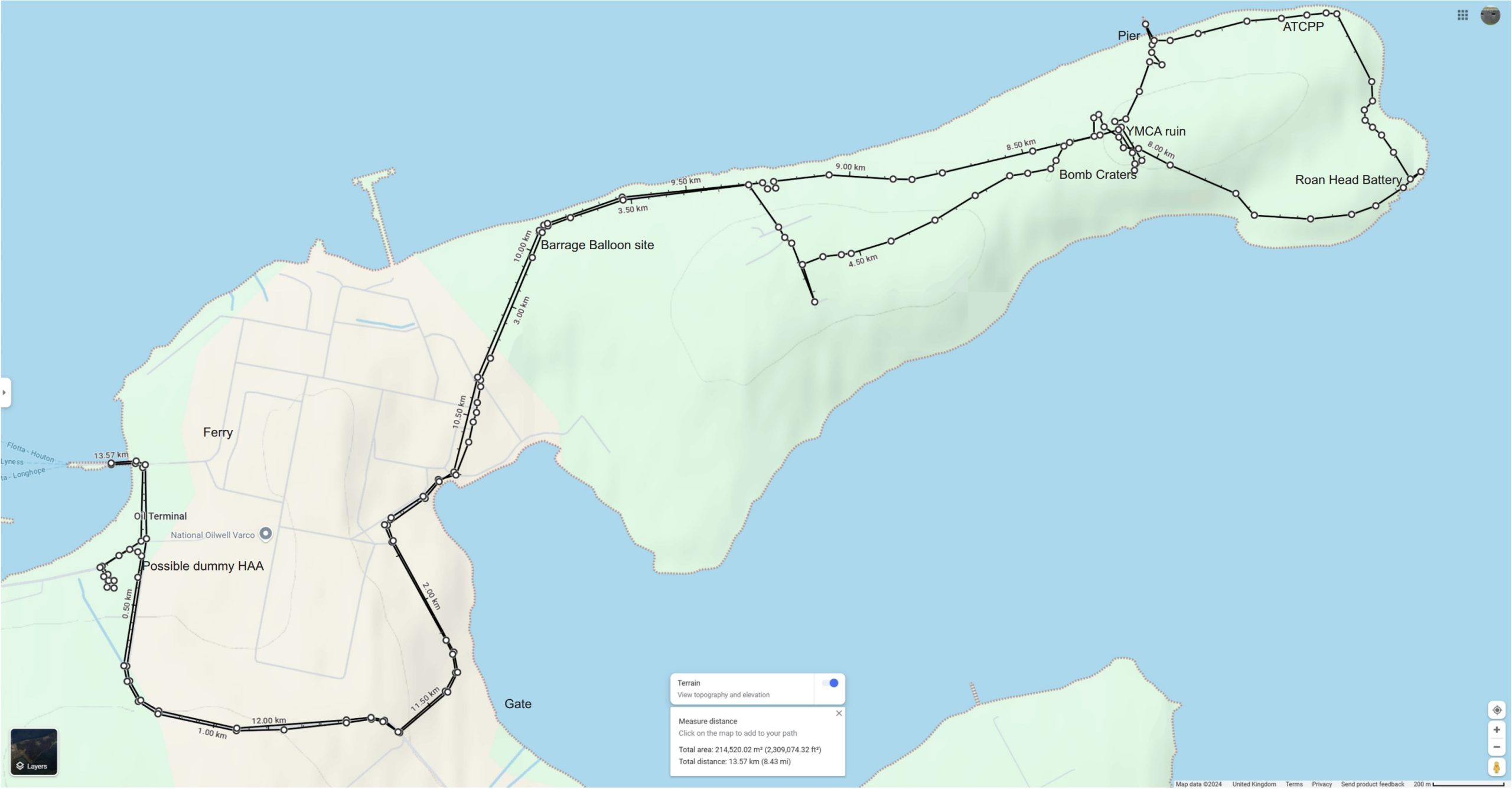
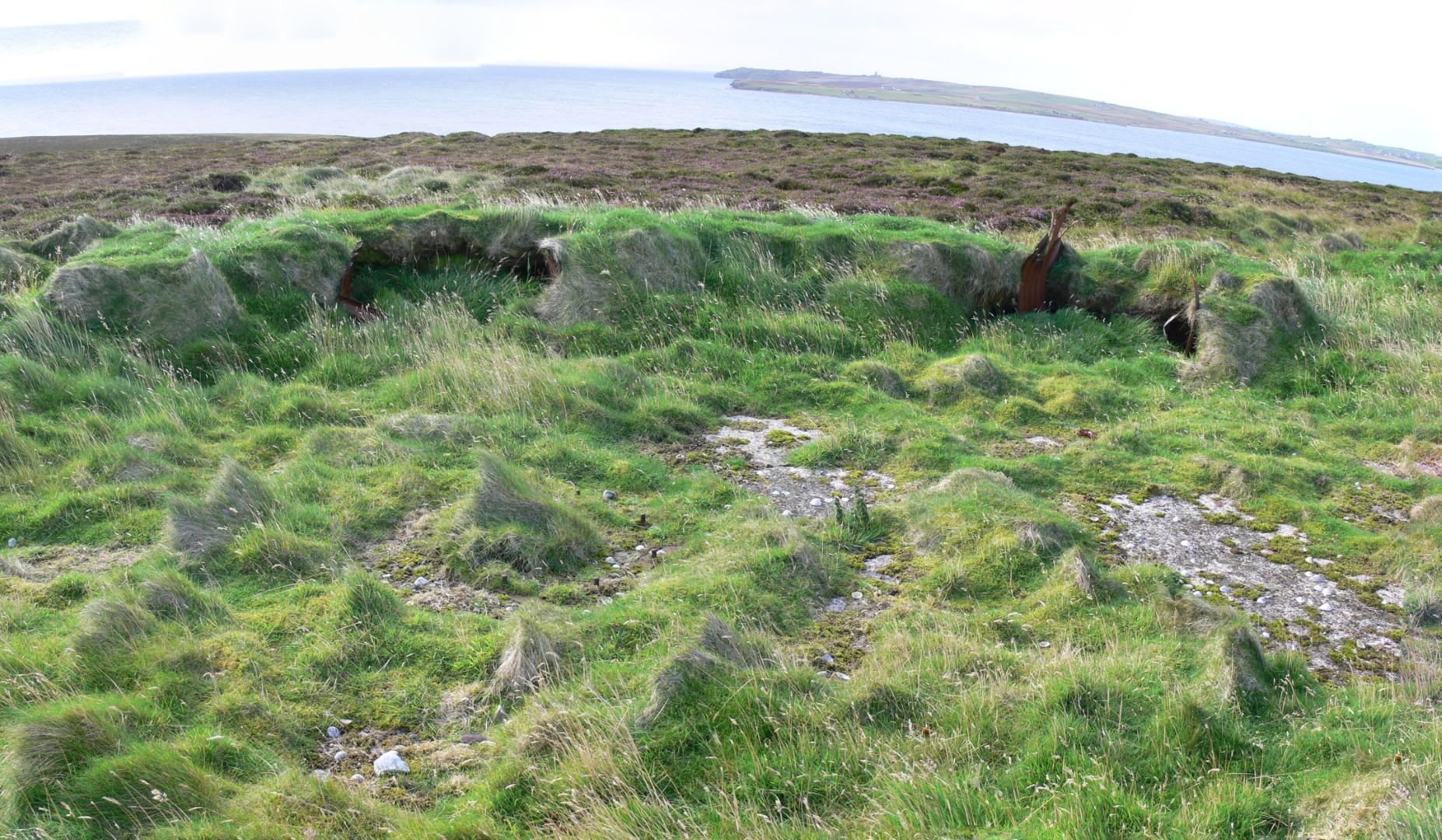
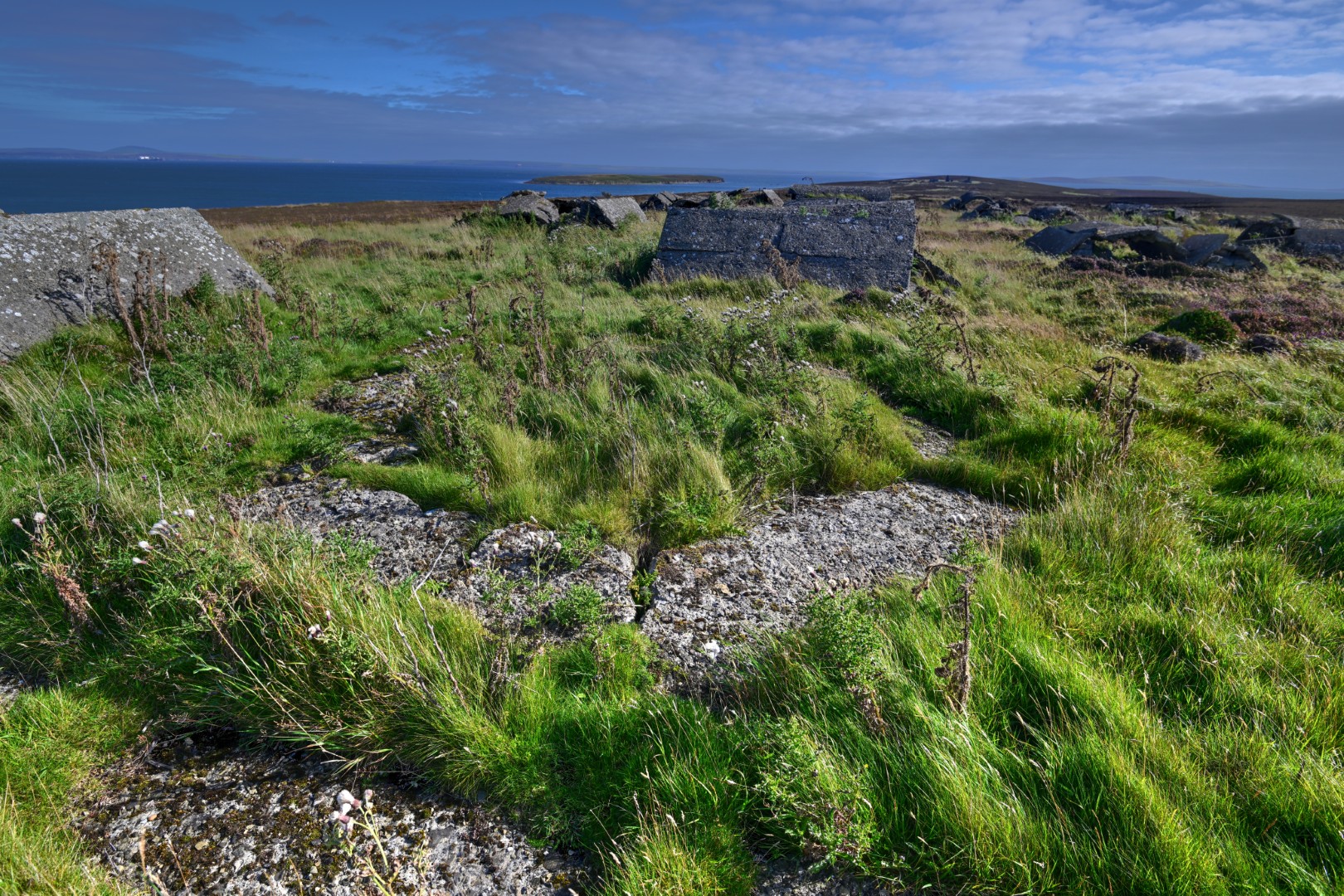
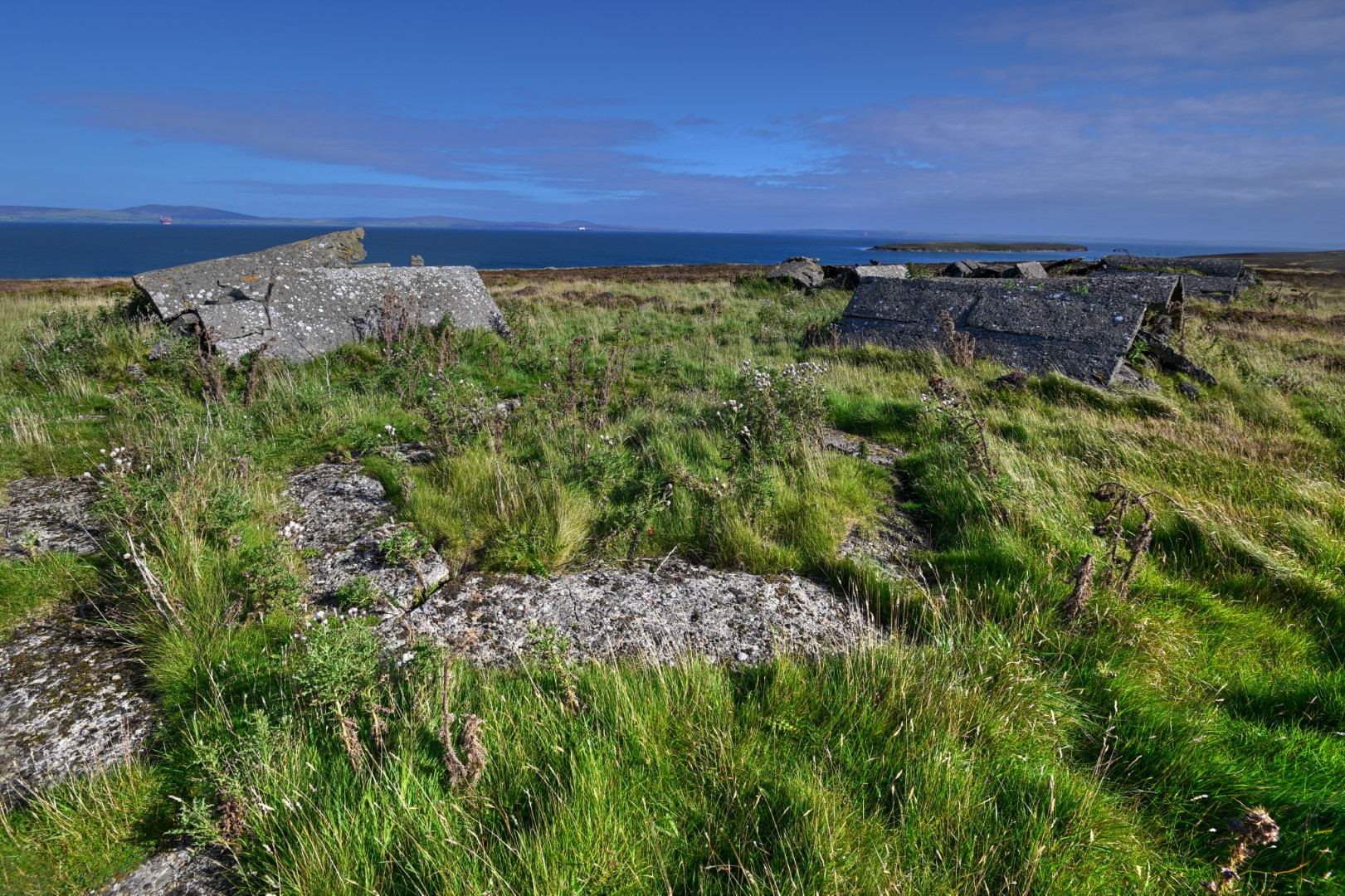

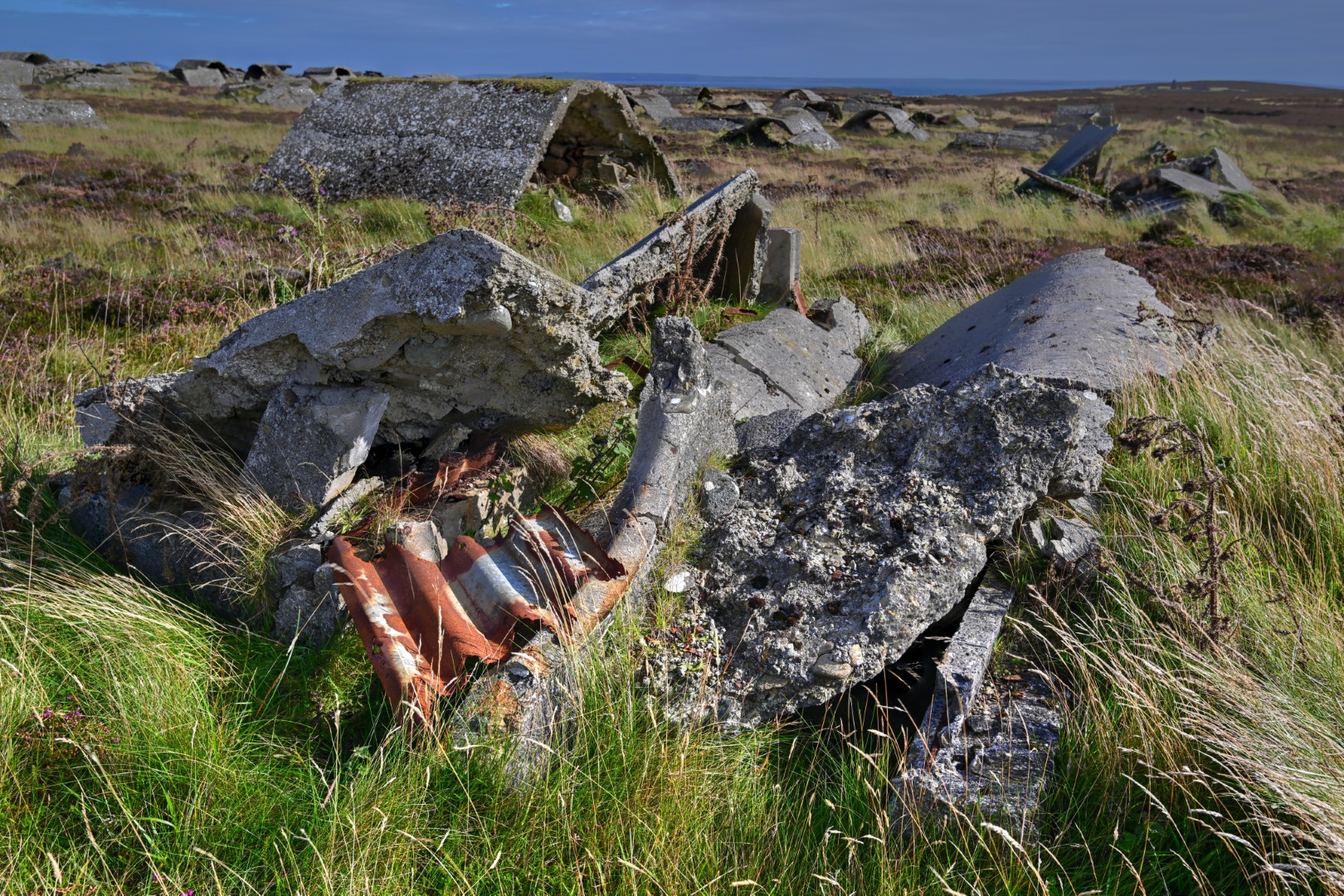
Turn left at the centre of the Z battery and continue along the top of the ridge. Here you will see the dummy HAA battery, visible as an arc of four green circles, the first at ND 37021 95595. Further along are the remains of a couple of LAA batteries, mainly consisting of a flat green area with the remains of corrugated iron ammo lockers. One of the emplacements (ND 37525 95813) has a concrete bofors mounting as well as another large concrete block of no discernible purpose (possibly a mount for a predictor).
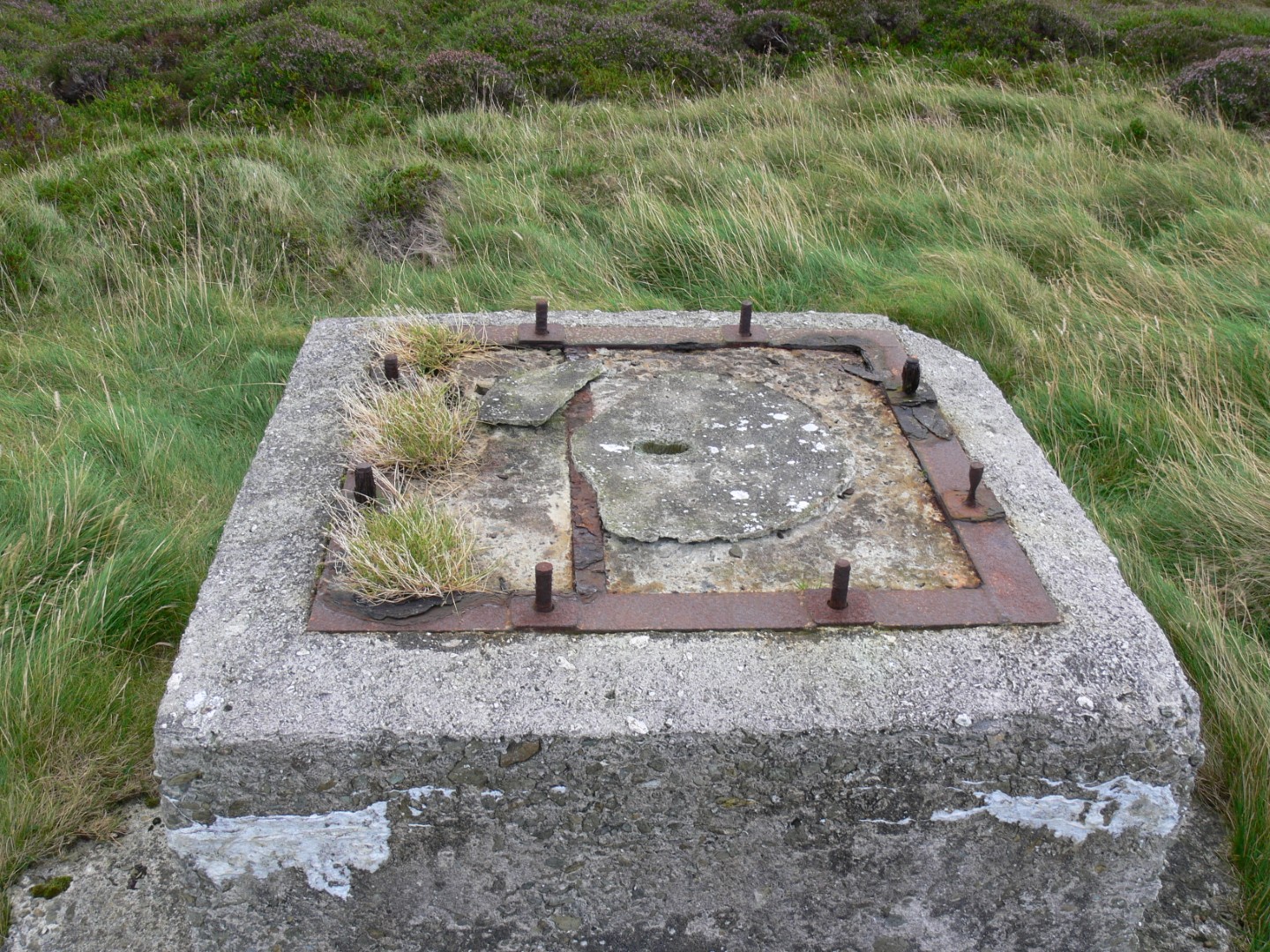
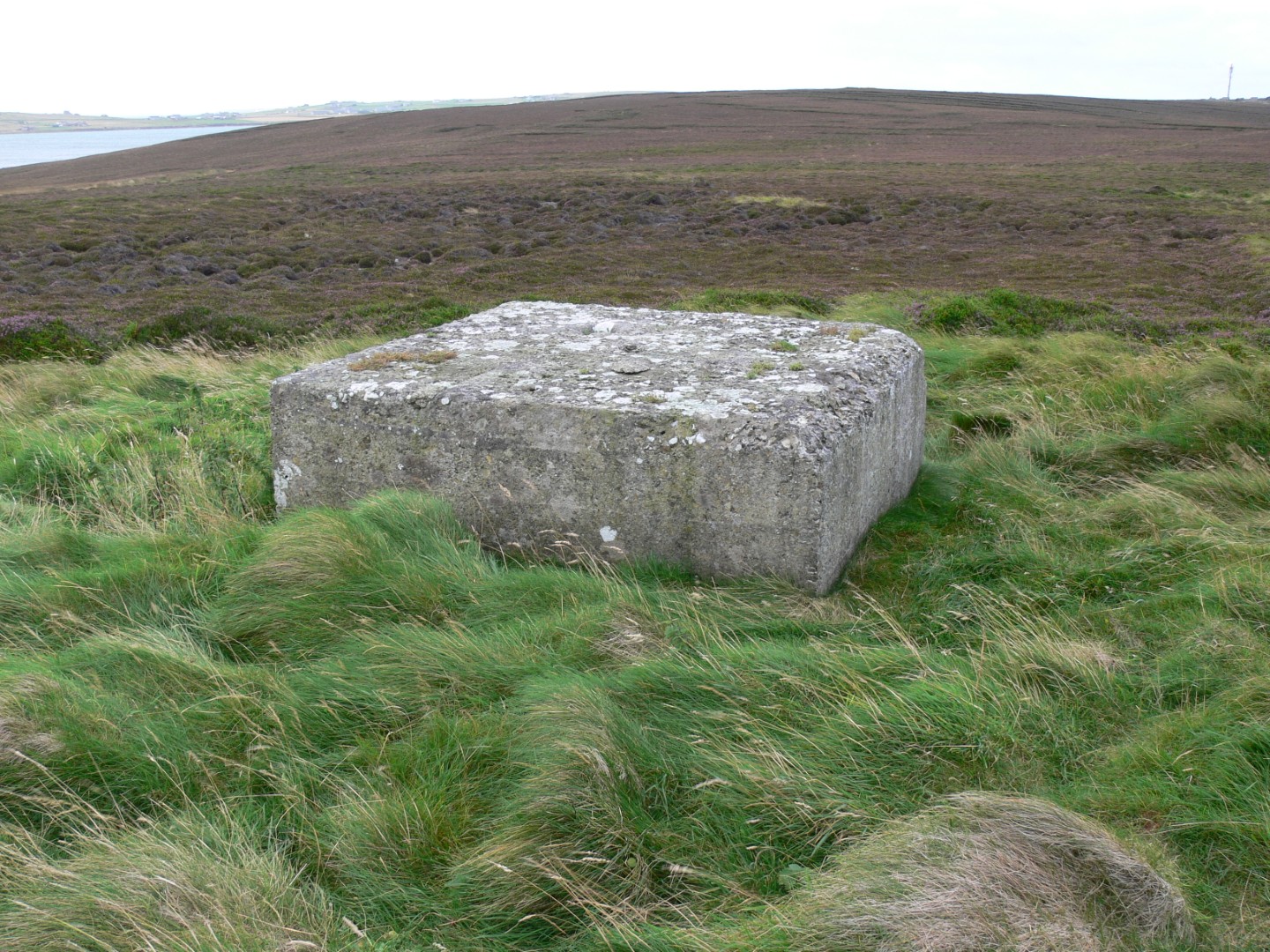
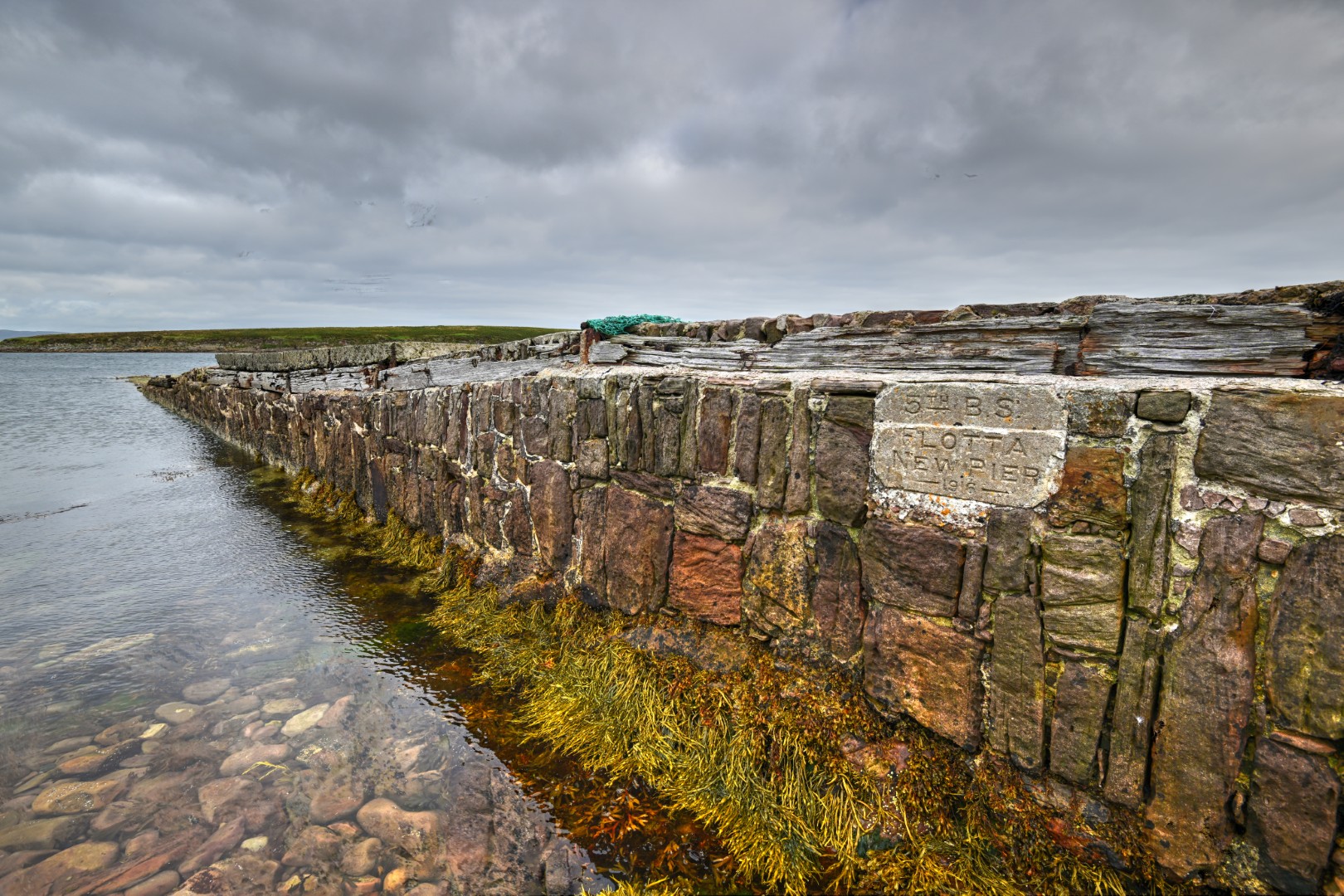
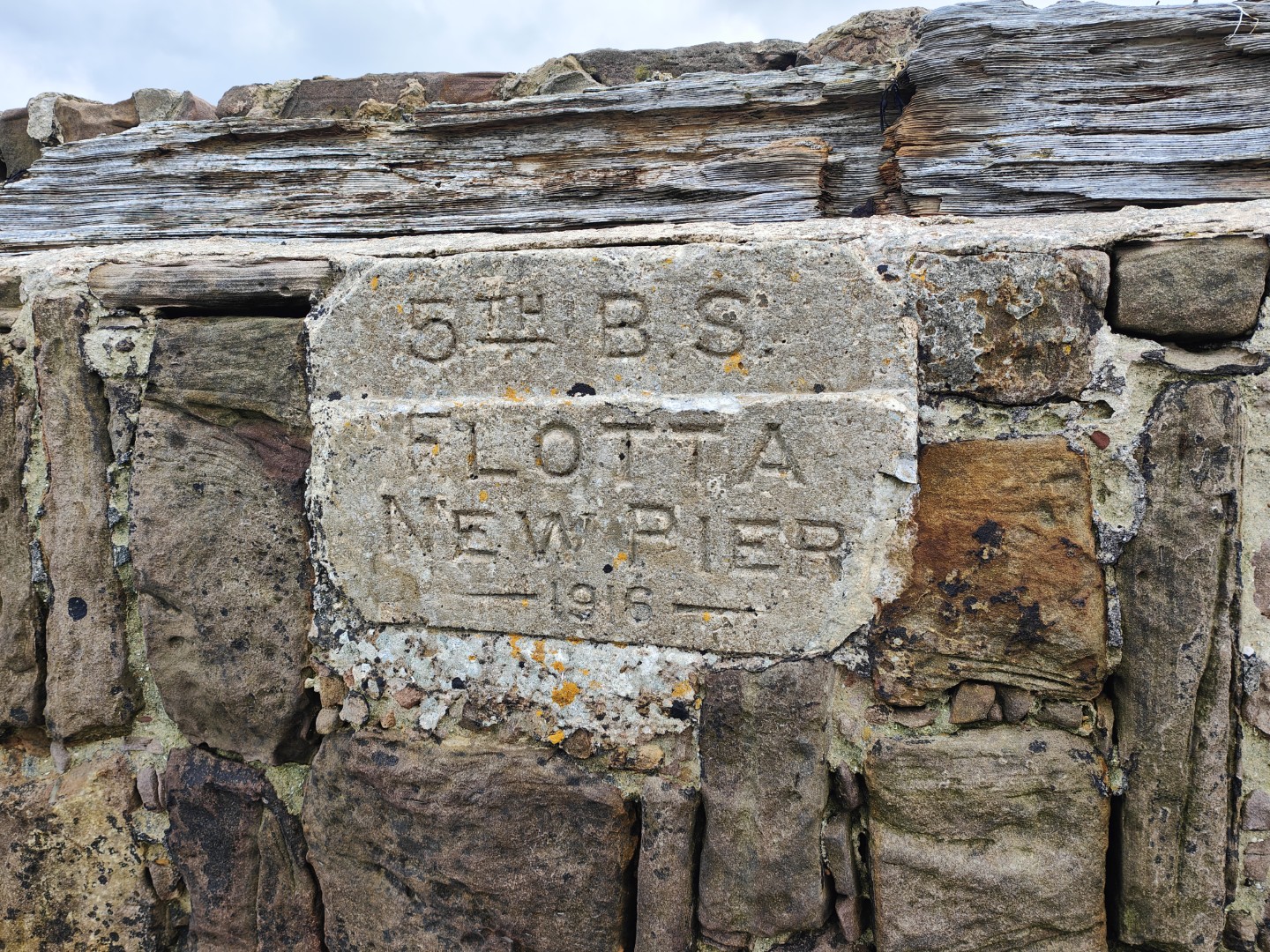
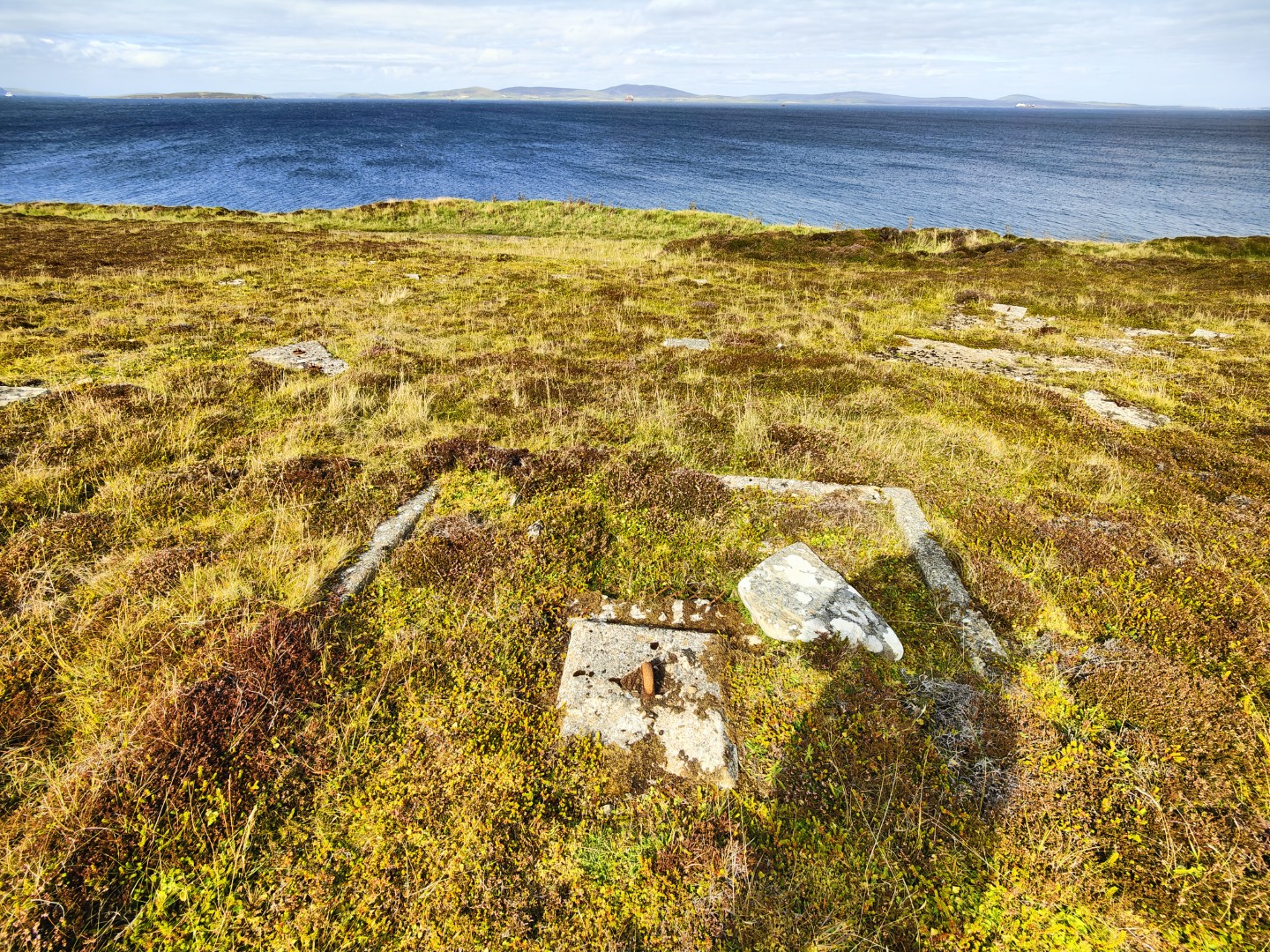
Heading back to the track we continue towards the ruins of the WWI YMCA building. To the left of the track at ND 37731 95943 and ND 37723 95973 are a couple of large bomb craters next to the LAA emplacement at ND 37775 95957. The YMCA ruin provides some shelter from the brisk wind and a suitable snack / lunch stop. Look out for wartime graffiti carved into the stone mantlepieces of the two fireplaces at the southern end and of the large arched fireplace. Walking South past the building brings us to another barrage balloon site at ND 37831 95821 Again not much to see other than some light-coloured patches where the concrete blocks affect the vegetation. The centre square with its’ tethering rings can be found and there are traces of other defences such as a trench at ND 37849 95847. Back to the track and head downhill to the St Vincent pier, built in 1915 to replace an older pier which fell out of use. There is a nice date stone in the West face of the pier just at the high-water line. There are the bases of several very large huts here, obviously ablutions, above the pier..
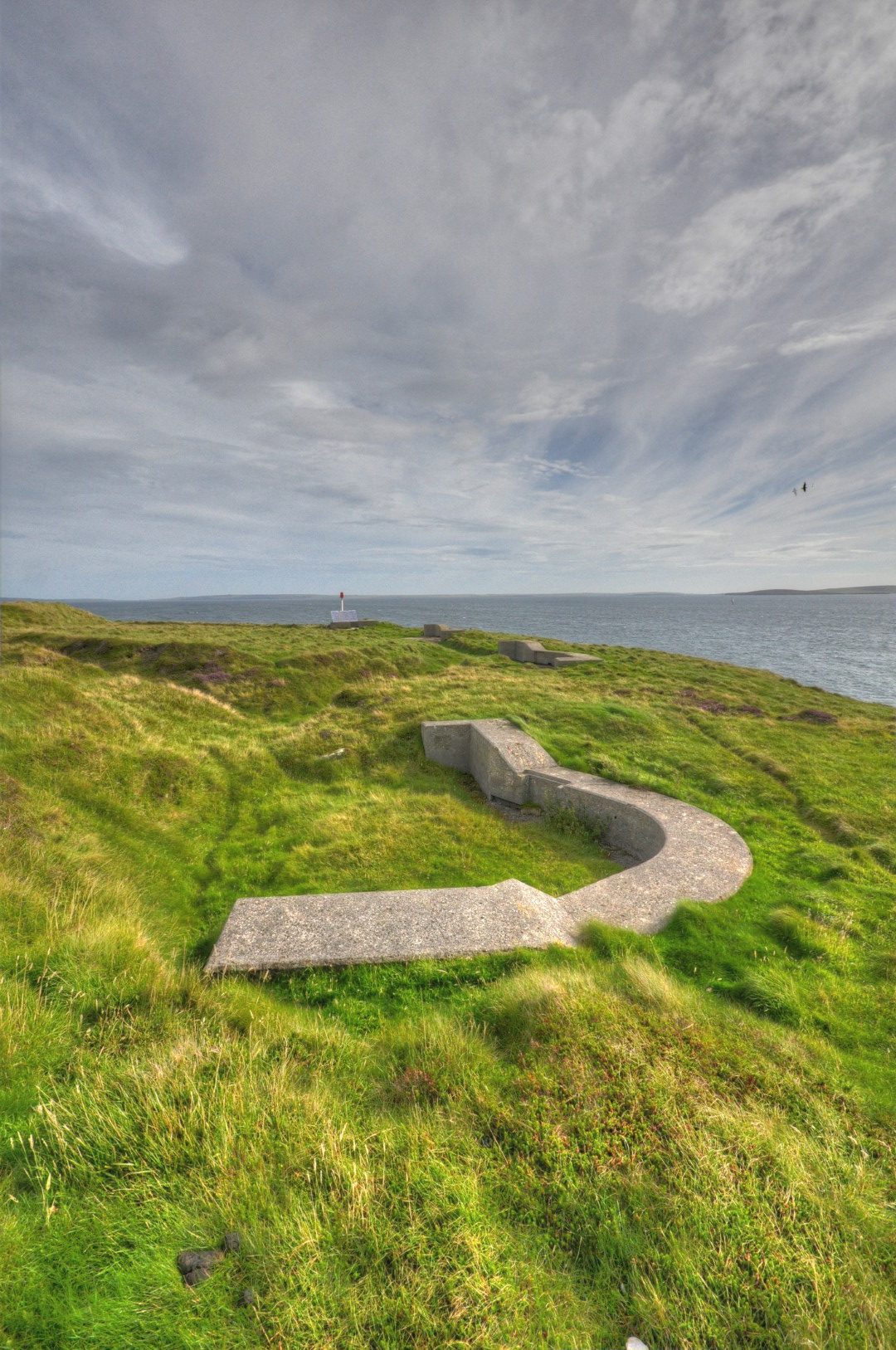
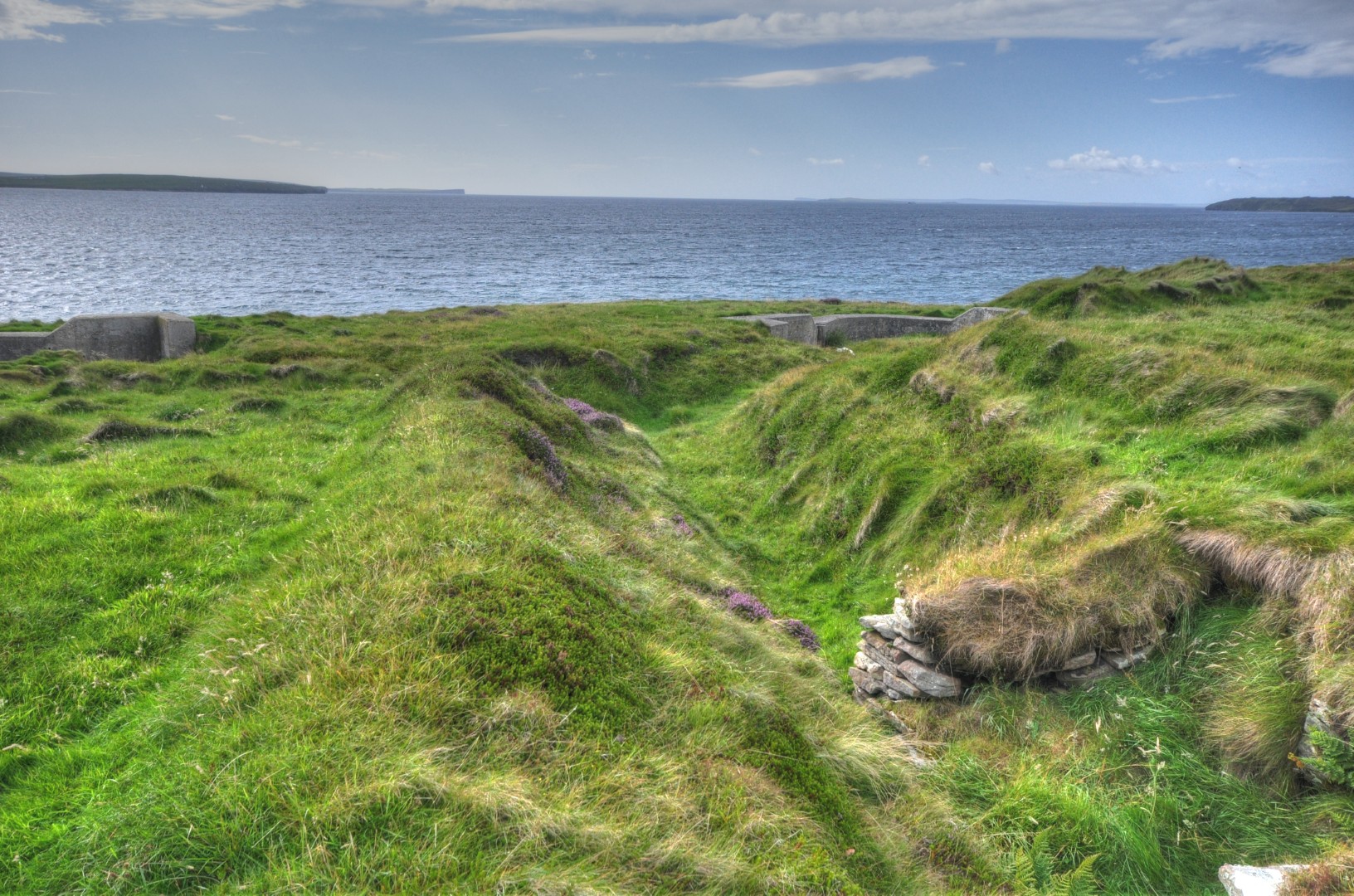
The road ends here and if continuing it’s (very) rough heather and peat under foot. Carrying on along the headland there’s a massive pile of Anti Torpedo netting dumped between Flotta and the Calf of Flotta at ND 38136 96369 with remains of an Anti Torpedo Close Protection Pontoon on the shore. Further round there’s a hardened telephone hut (ND 38519 96002) and a couple of hut bases. Further still we come to Roan Head gun battery (ND 38614 95789), a WWI battery with 4 emplacements for 12 pounder quick fire guns and an underground magazine. One of the trenches to the magazine has what are thought to be blast baffles still in place. The battery was emplaced to provide cover for a gate in the inner anti-submarine boom across Hoxa Sound.
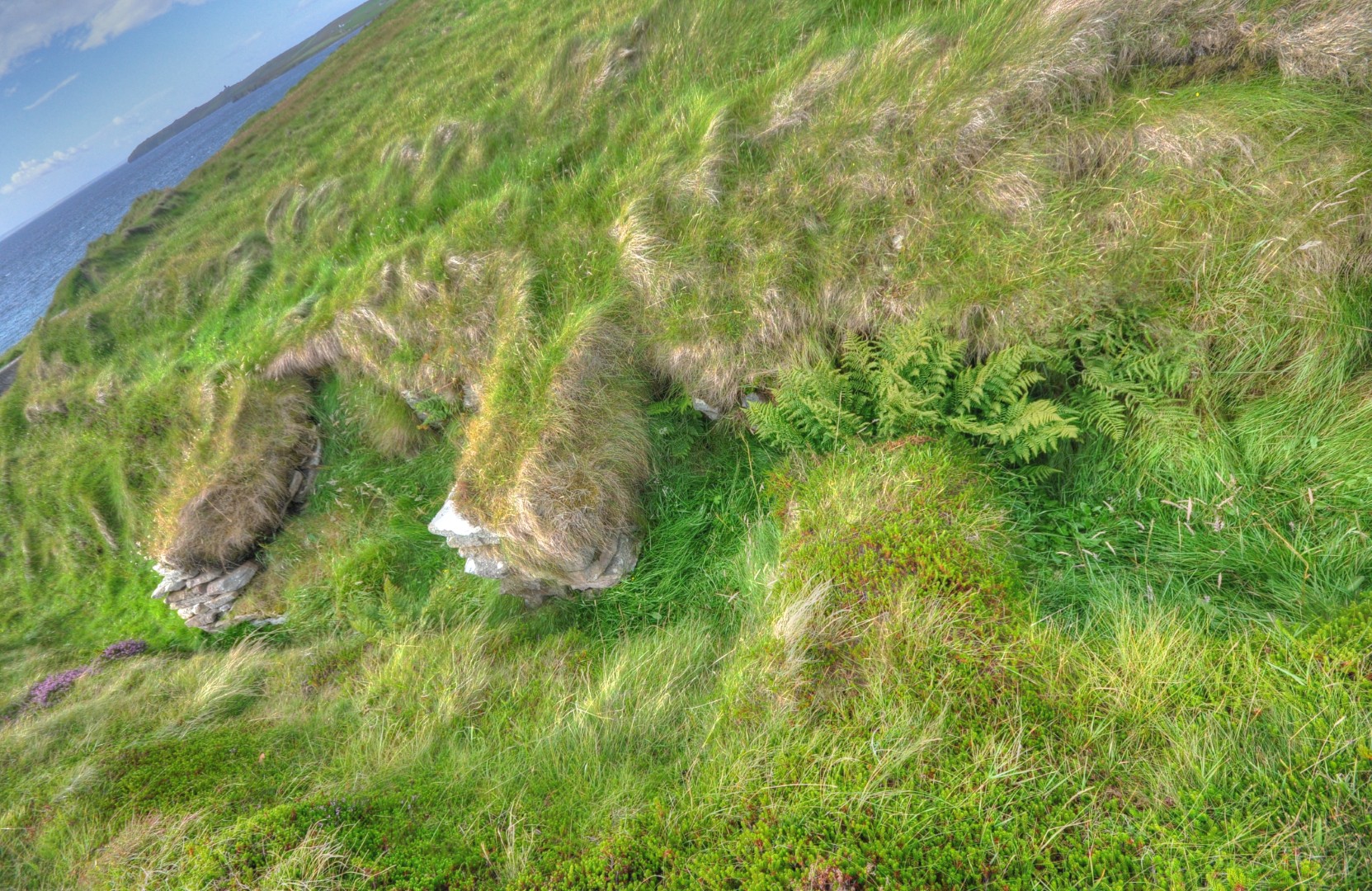
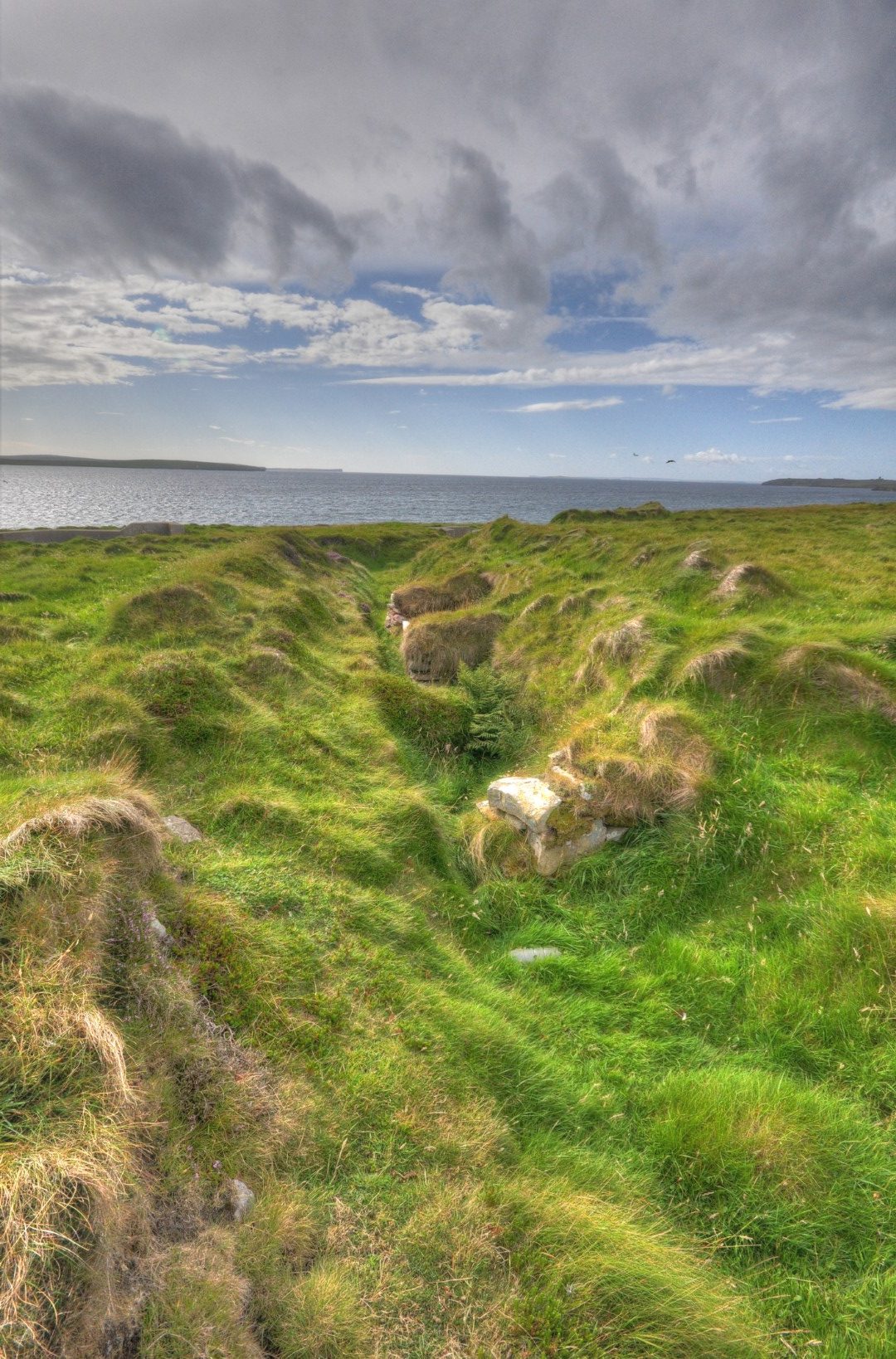
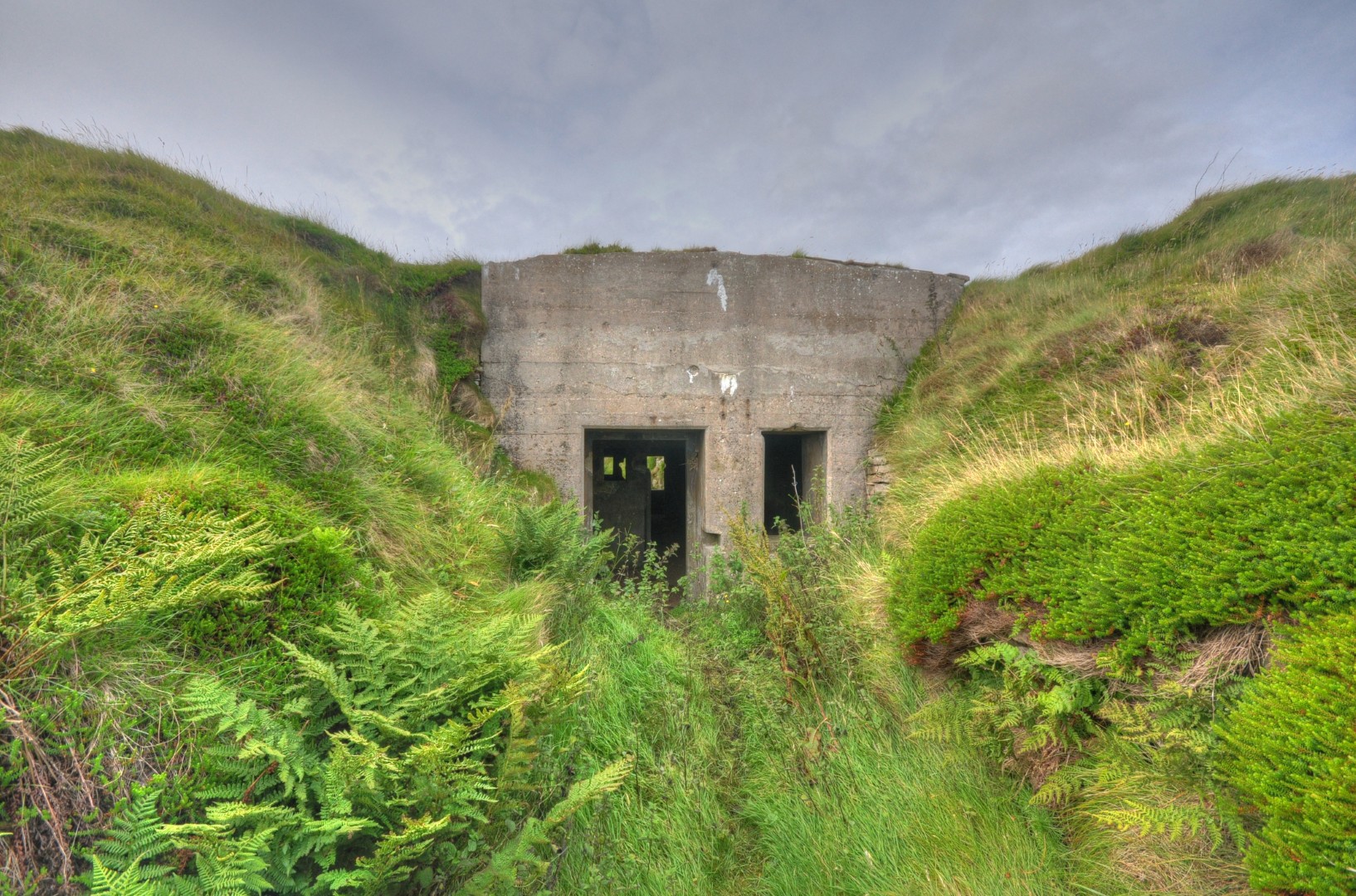
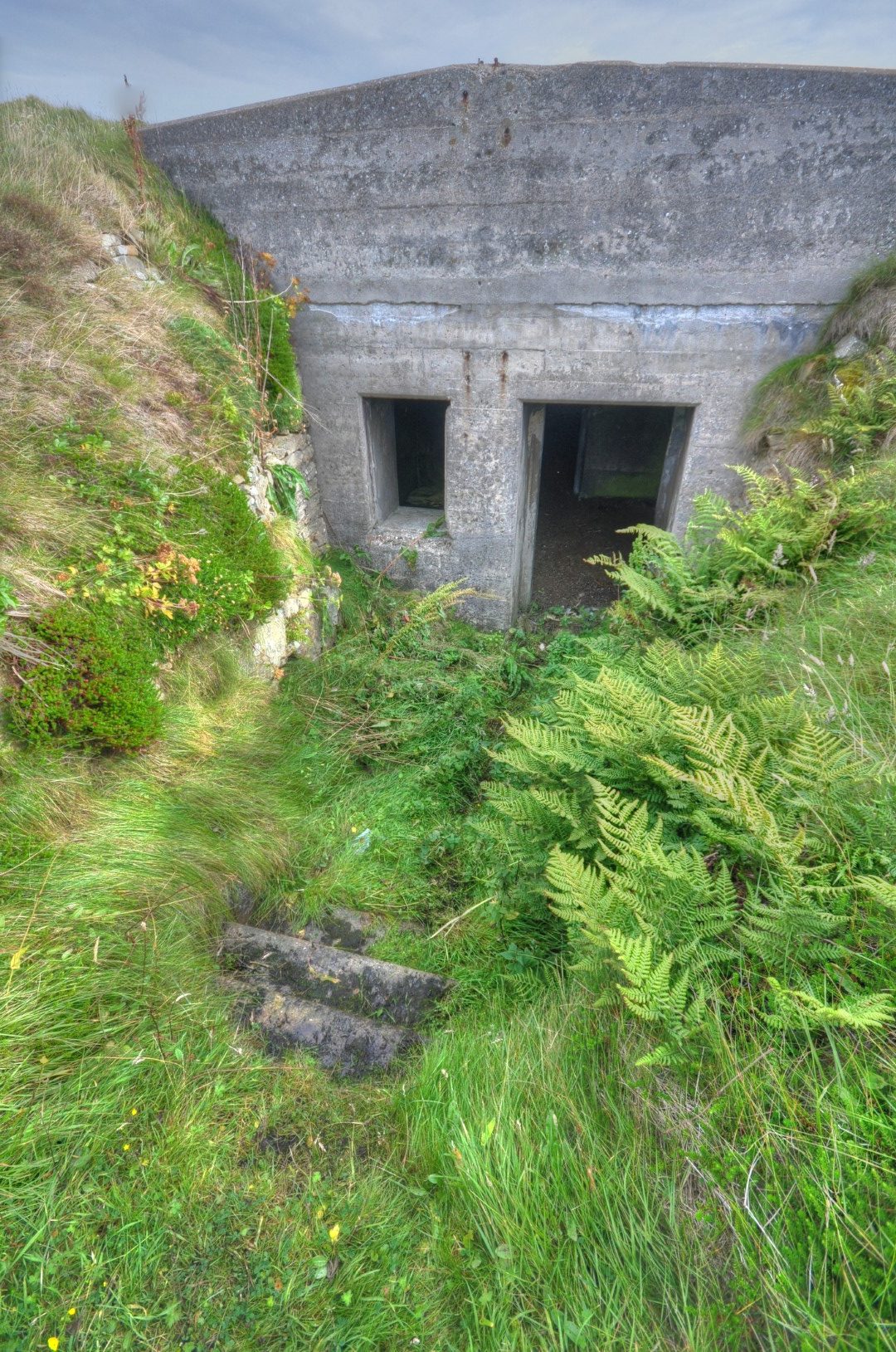
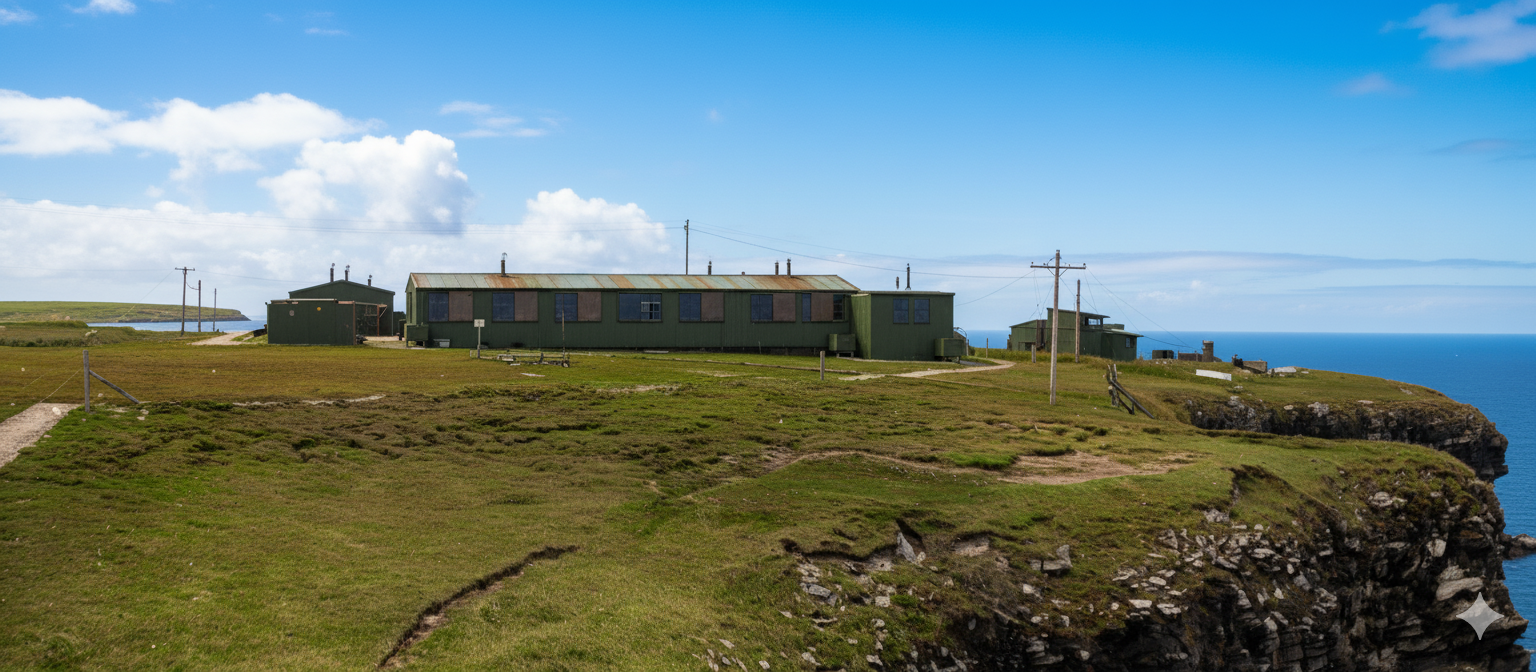
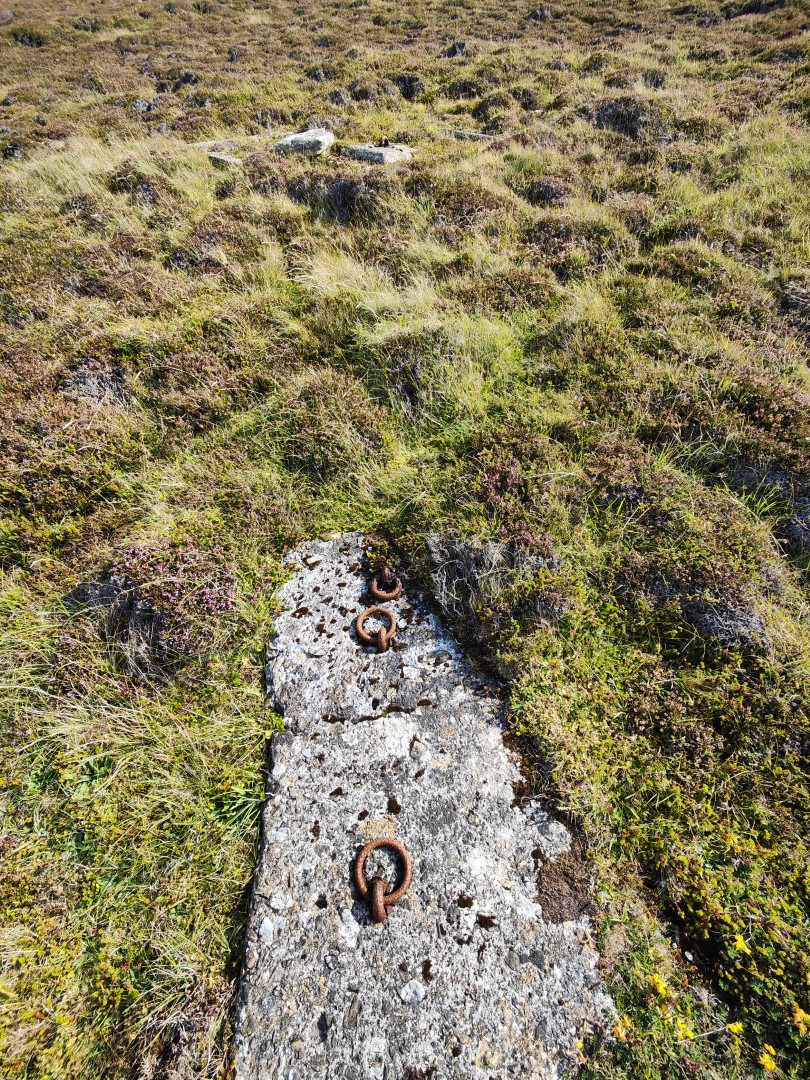
Having reached the farthest point, we start the return journey. There are various WWI remains, including a lost golf course, the remains of a mine control station (ND 38447 95686) and a rifle range (ND 38166 95639), before we come to the four bomb craters at Red Face (ND 38157 95693). These are surprisingly deep and must have been caused by big bombs! From here we head back to the YMCA and the road for the return to the ferry. Just near the road up to the Z battery (ND 36874 95785) there is another barrage ballon site. There’s slightly more to see here with many tethering blocks visible, in a fairly small circle, many with up to 3 rings as well as the centre mooring point, it was windy enough to see why so many tethering rings were needed!
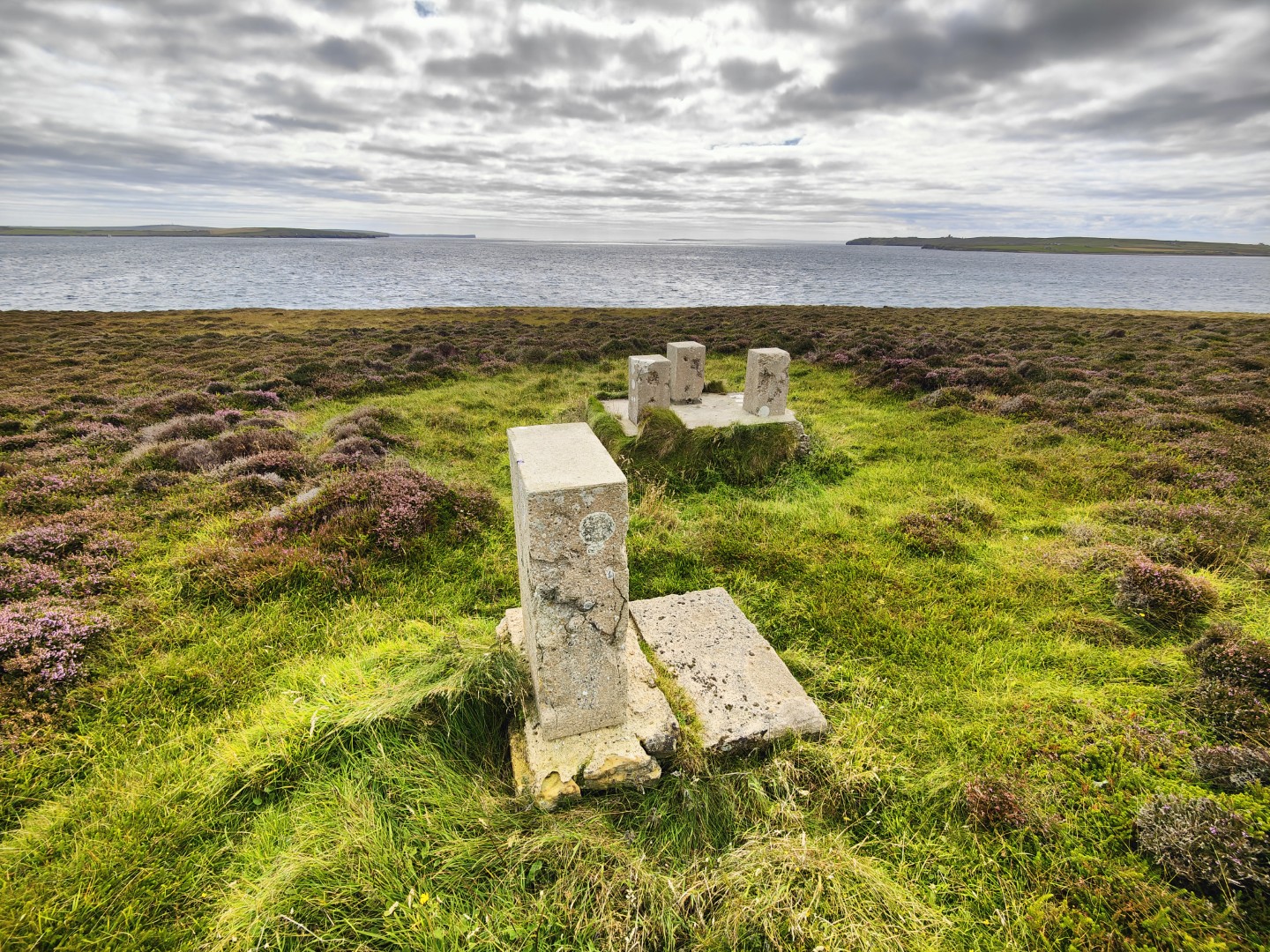
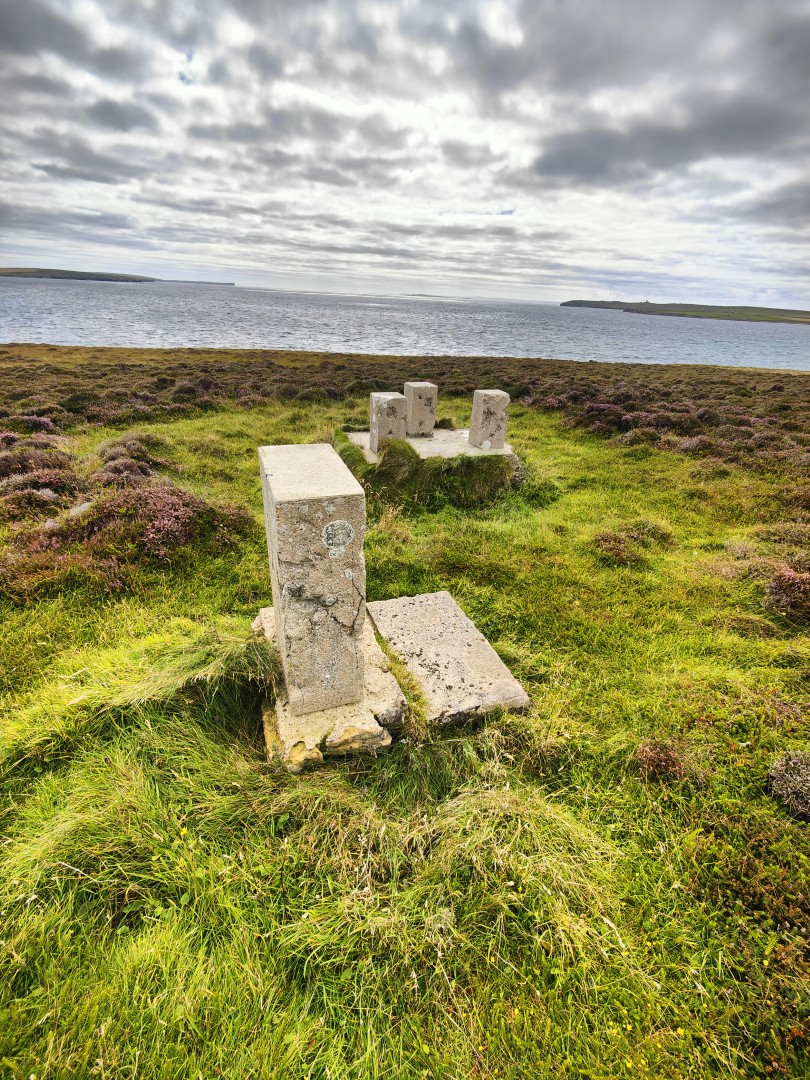
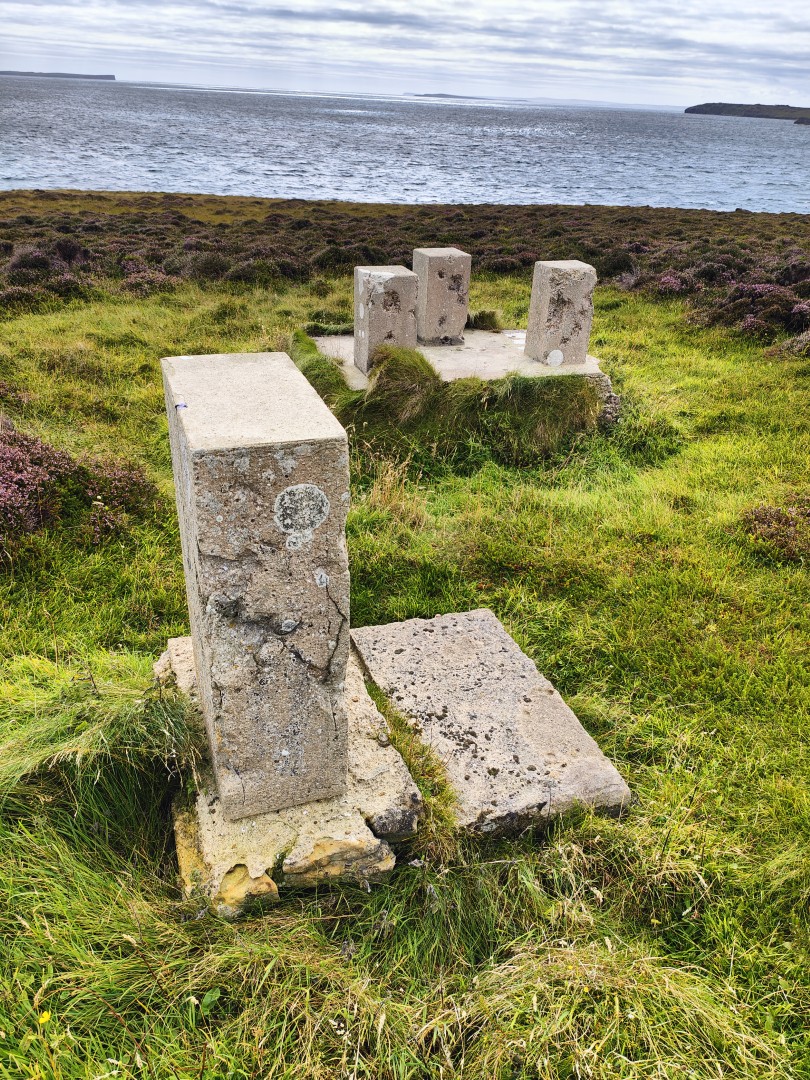
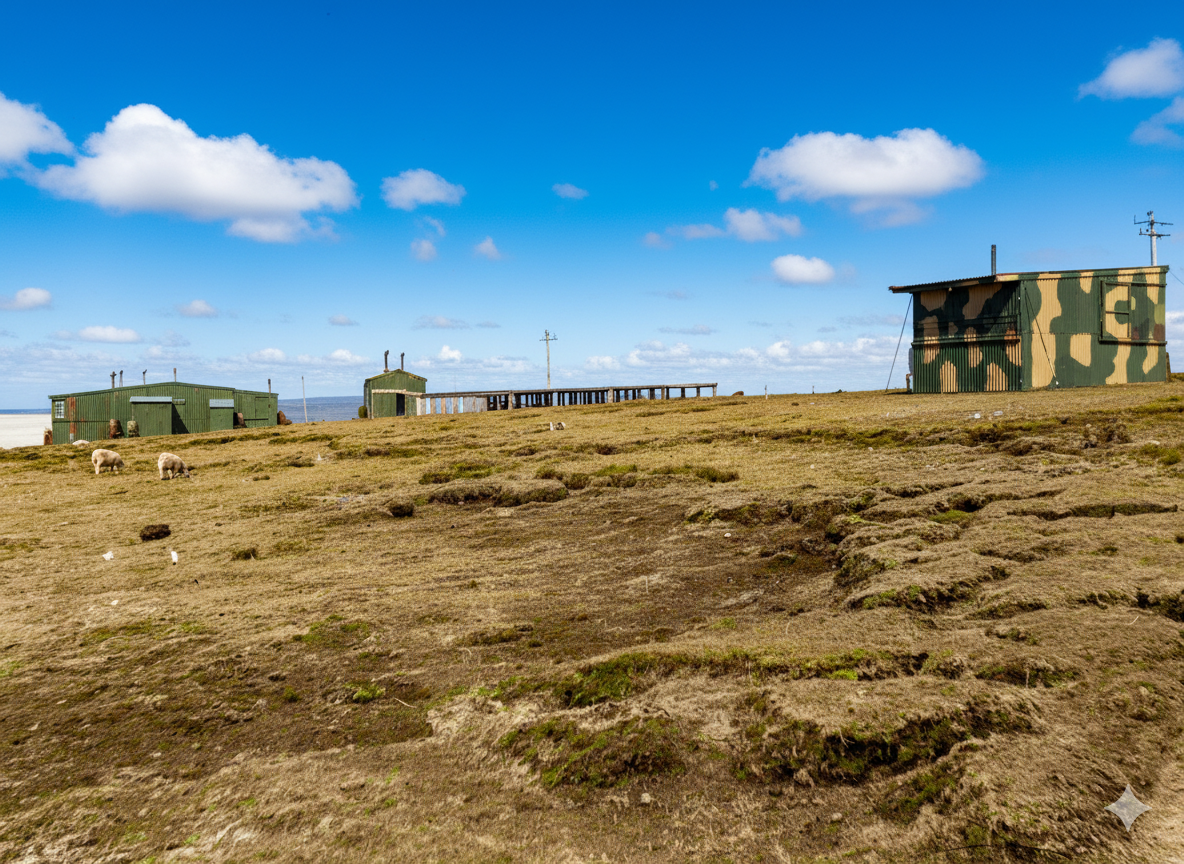
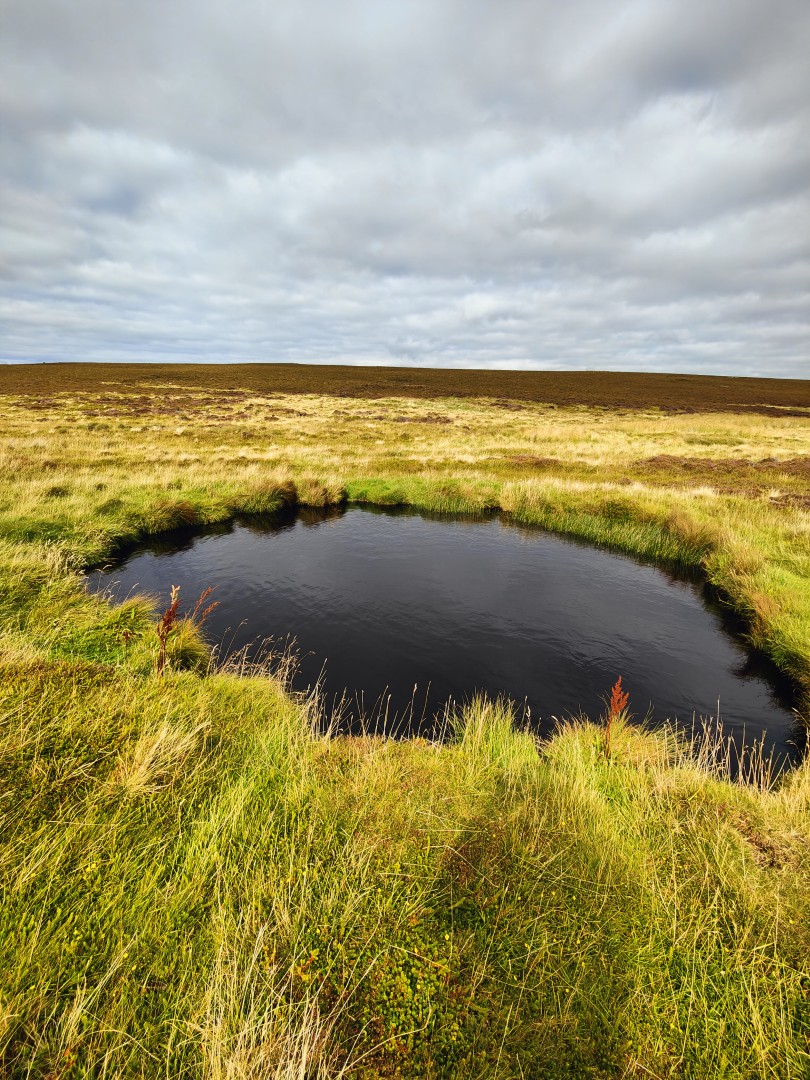
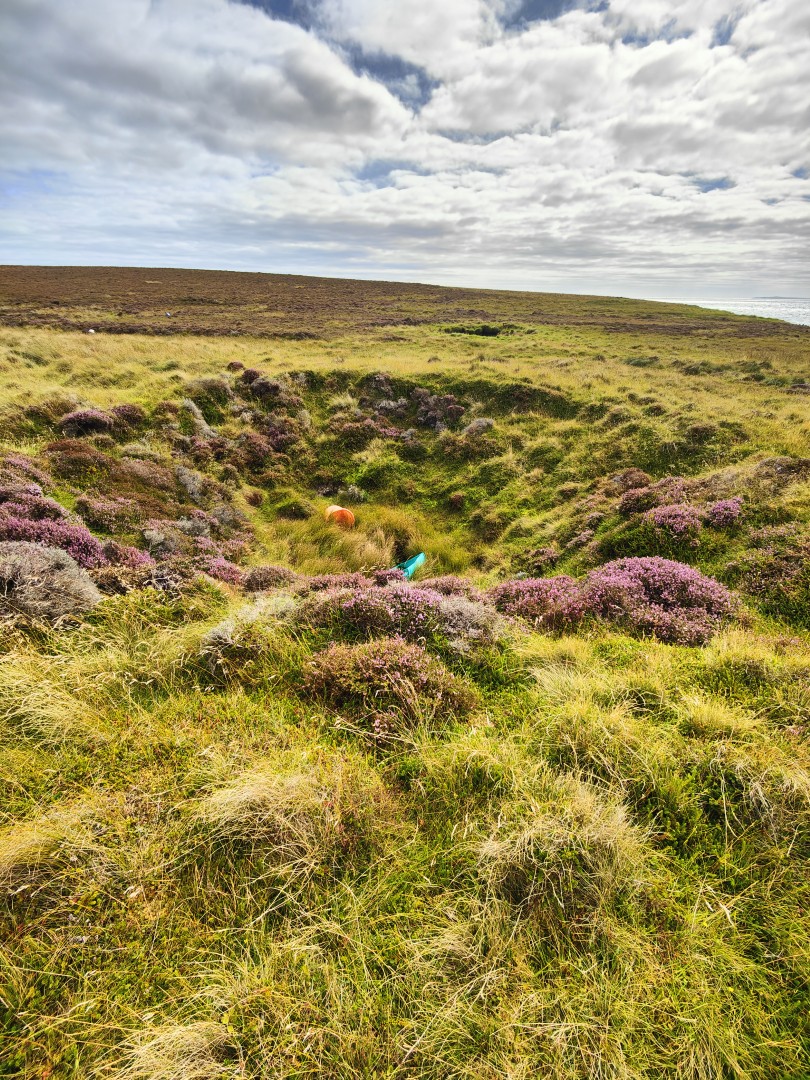
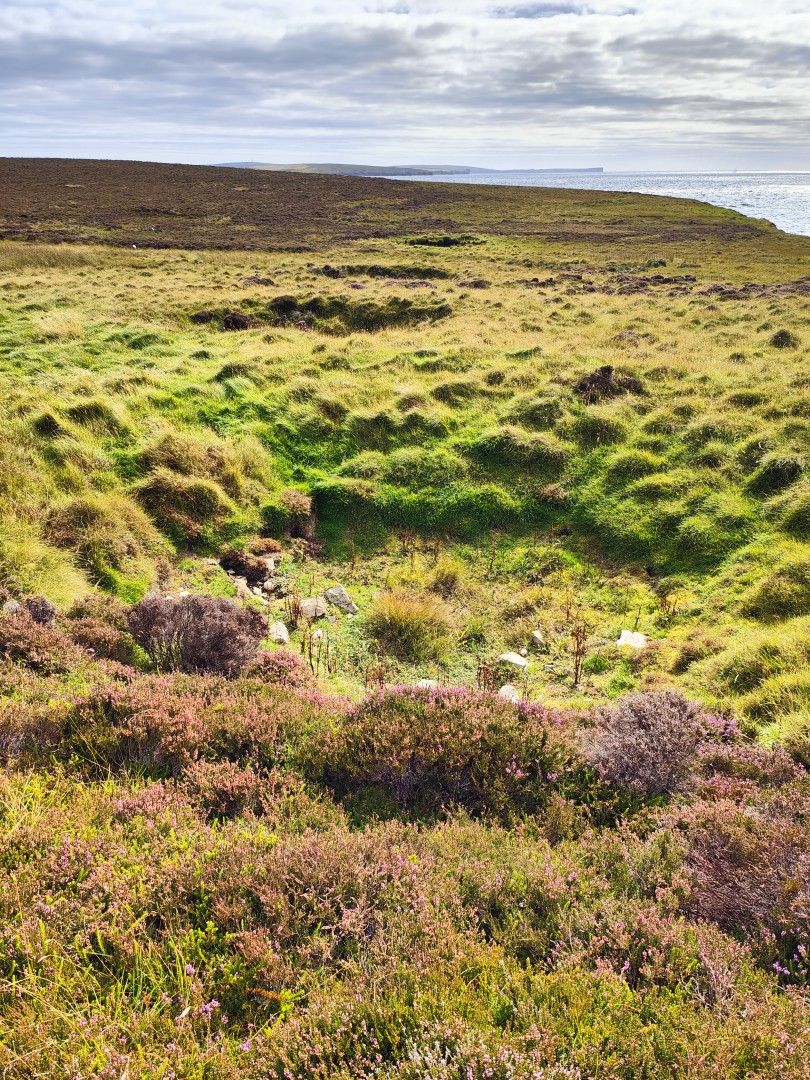
There are probably many more sites which I didn’t find due to shortage of time and the nature of the terrain which is fairly challenging under foot and overgrown with heather if off the road.
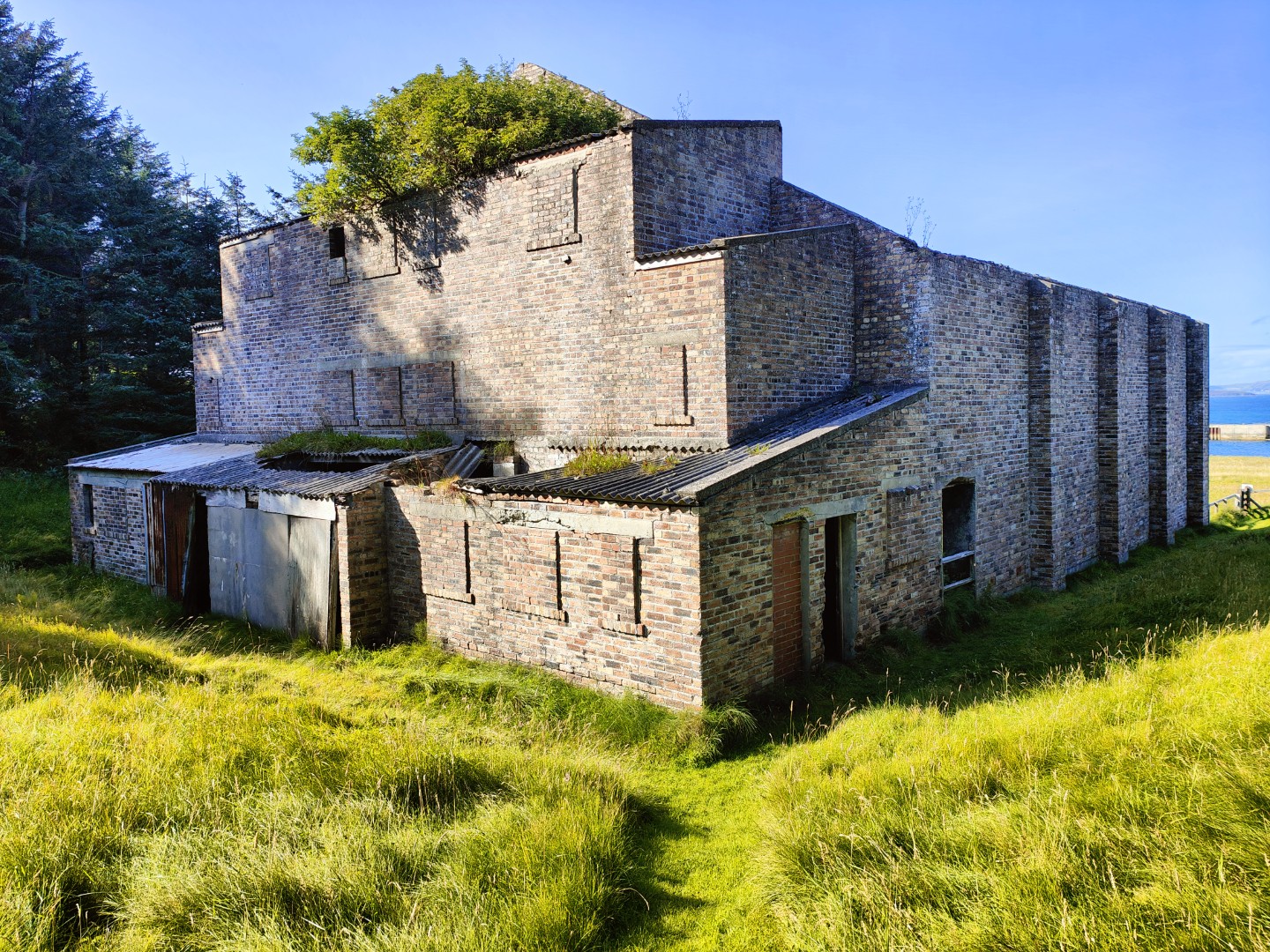
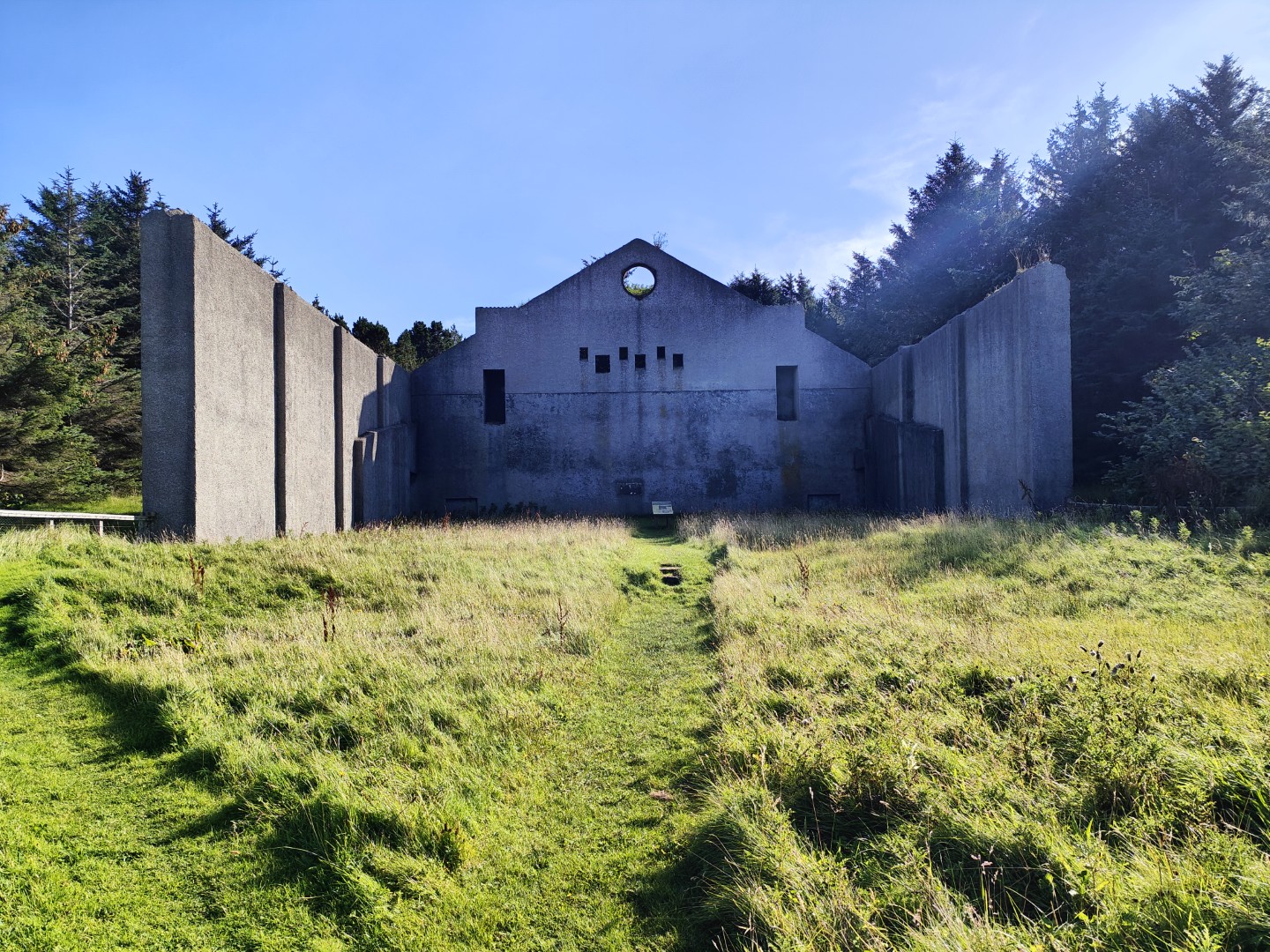
Having got round quicker than expected, there was time for a visit to the naval cinema, before the return ferry trip, which opened in 1943. There is a plaque dated 1944 in the wall at the front of the auditorium which was relocated from the nearby Fleet club when it was demolished. The cinema was originally nearly twice as long as it is now and would have seated over 1200 people.
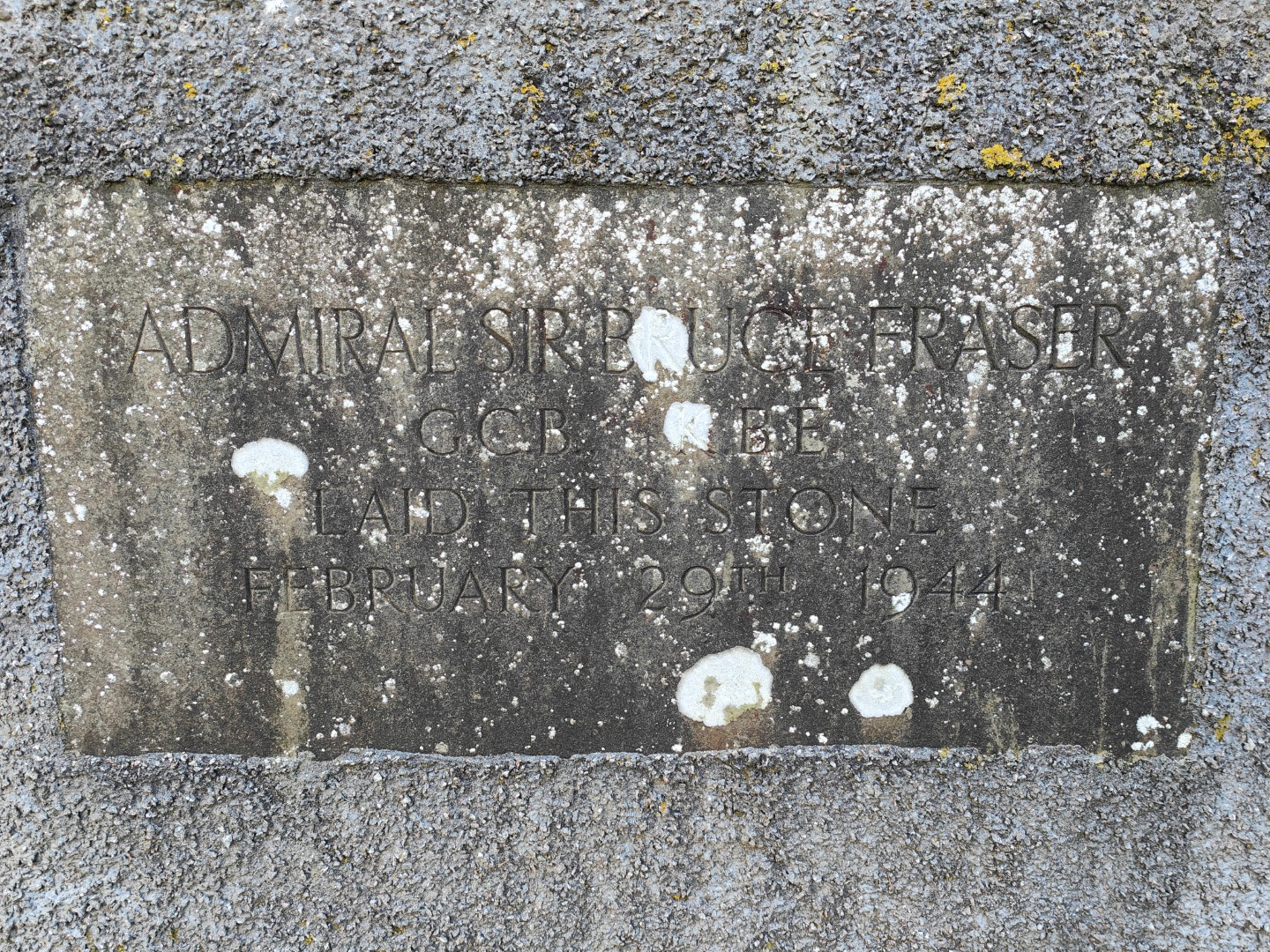
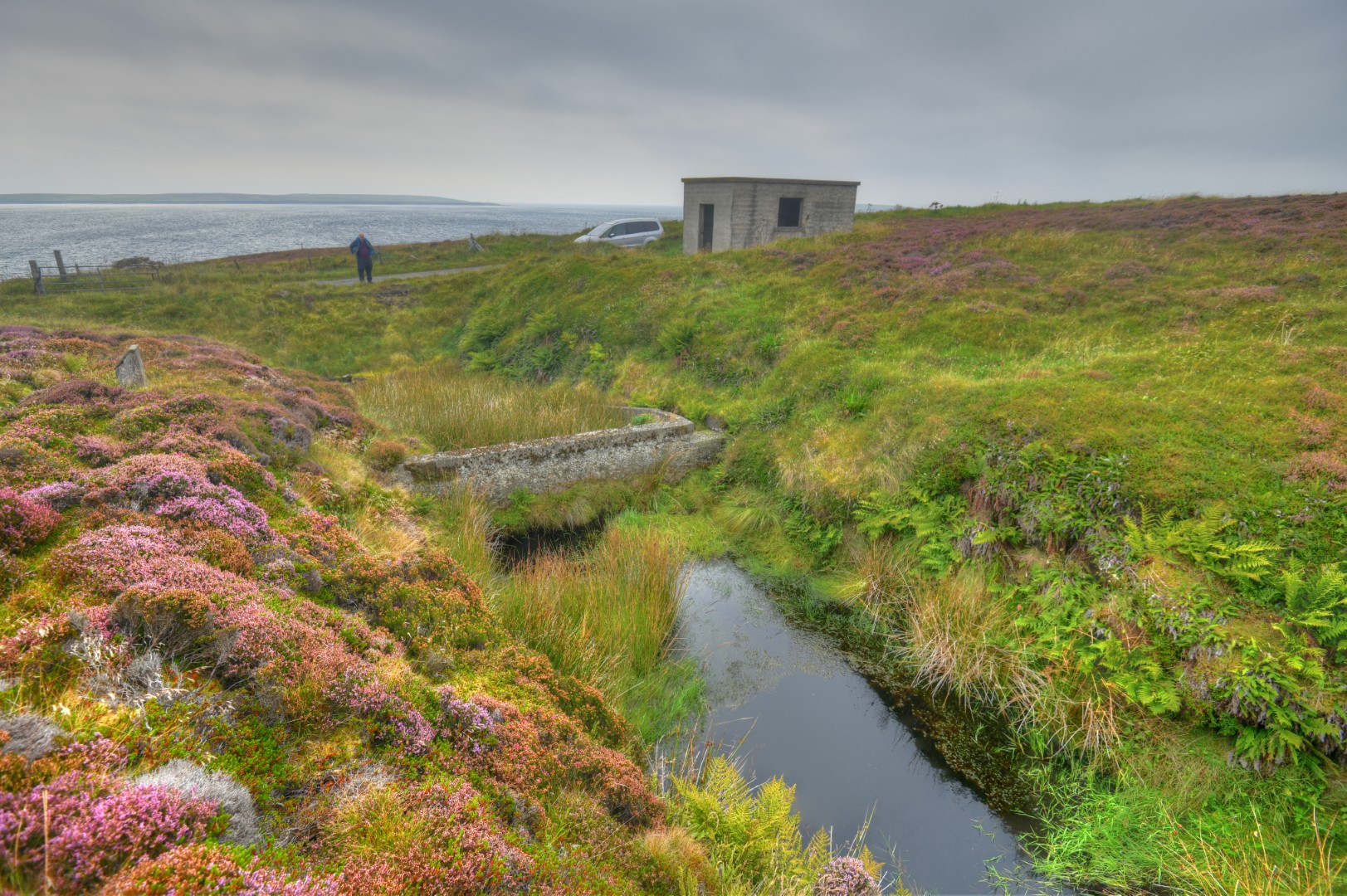
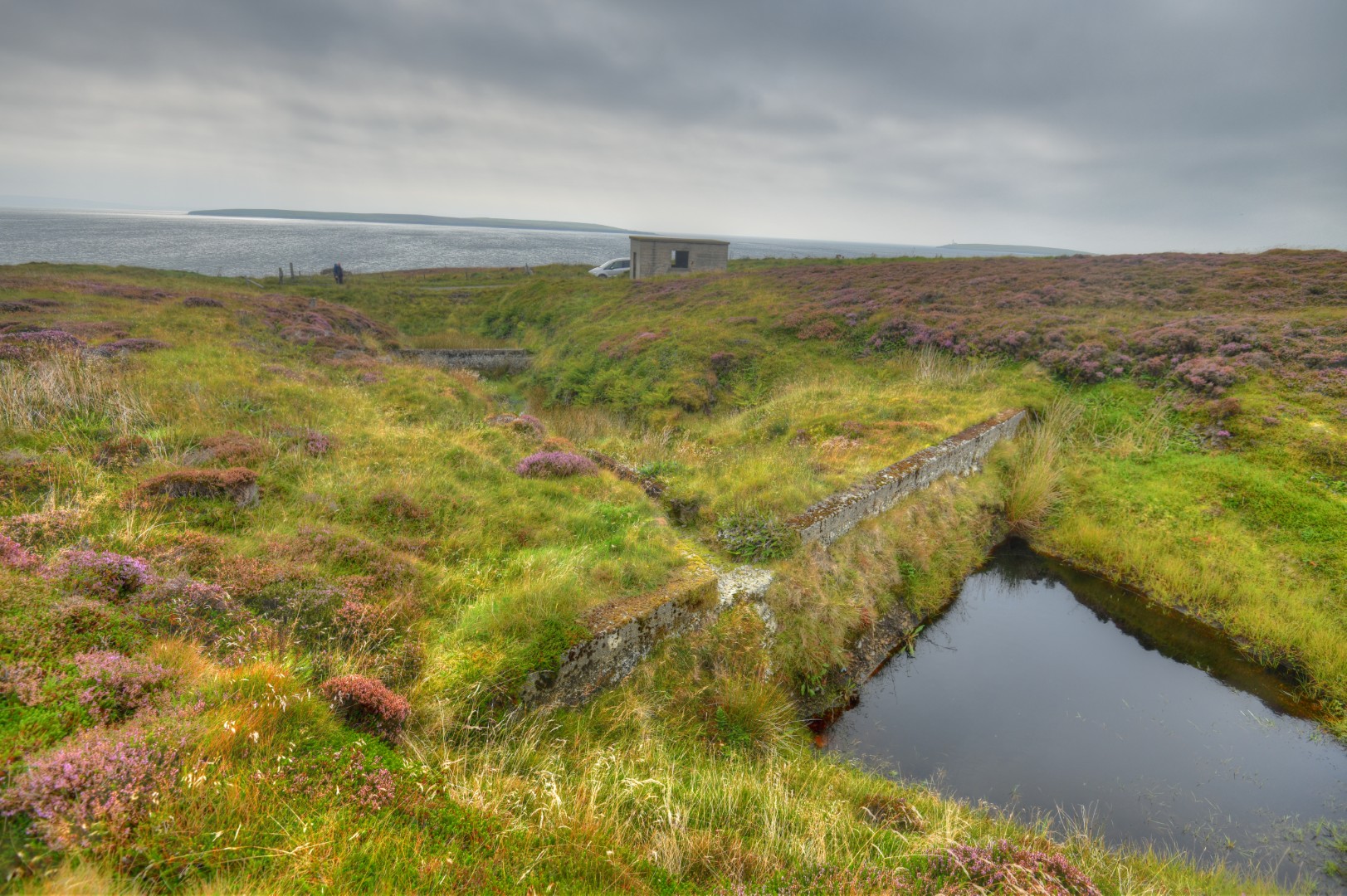
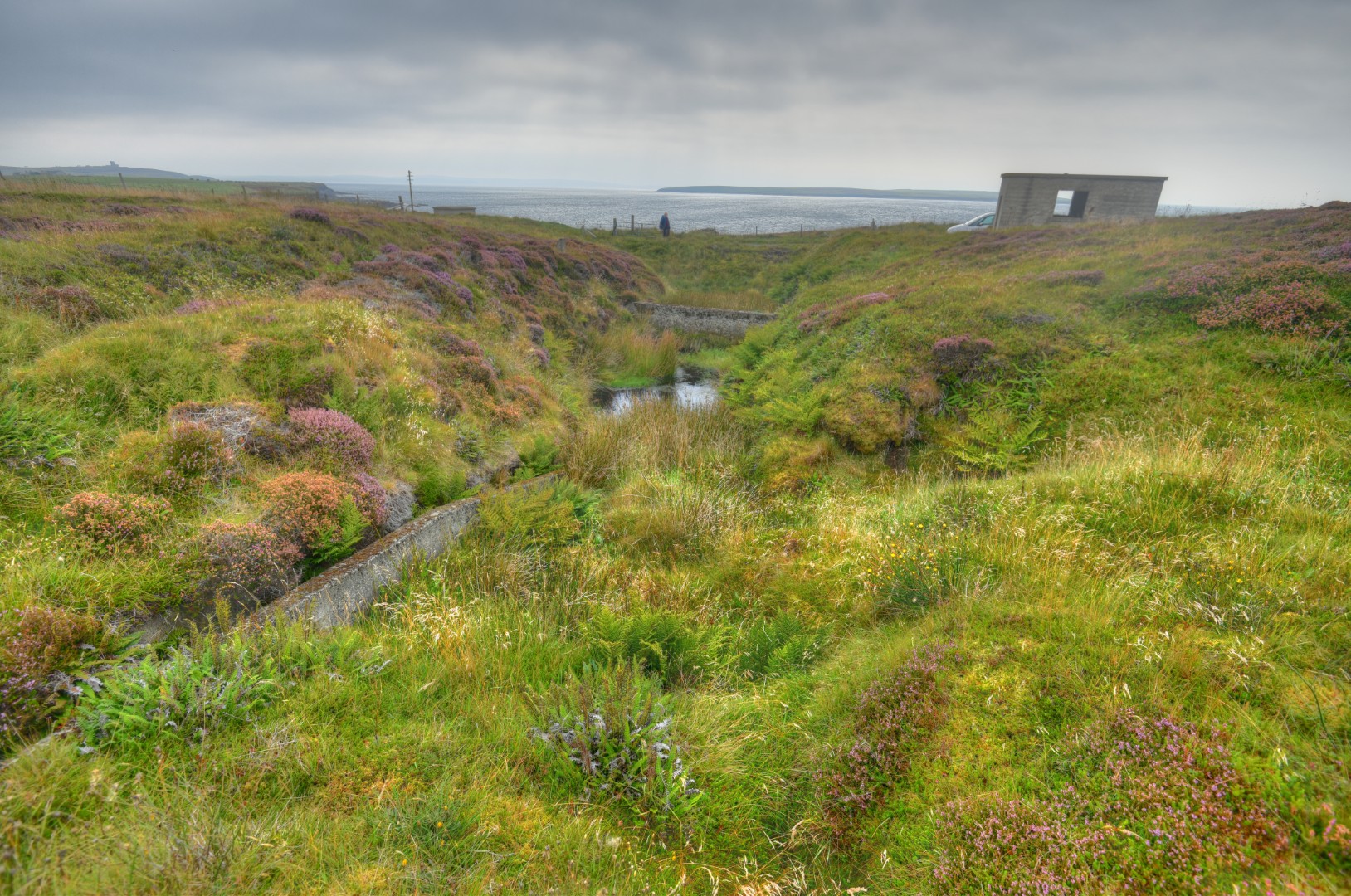
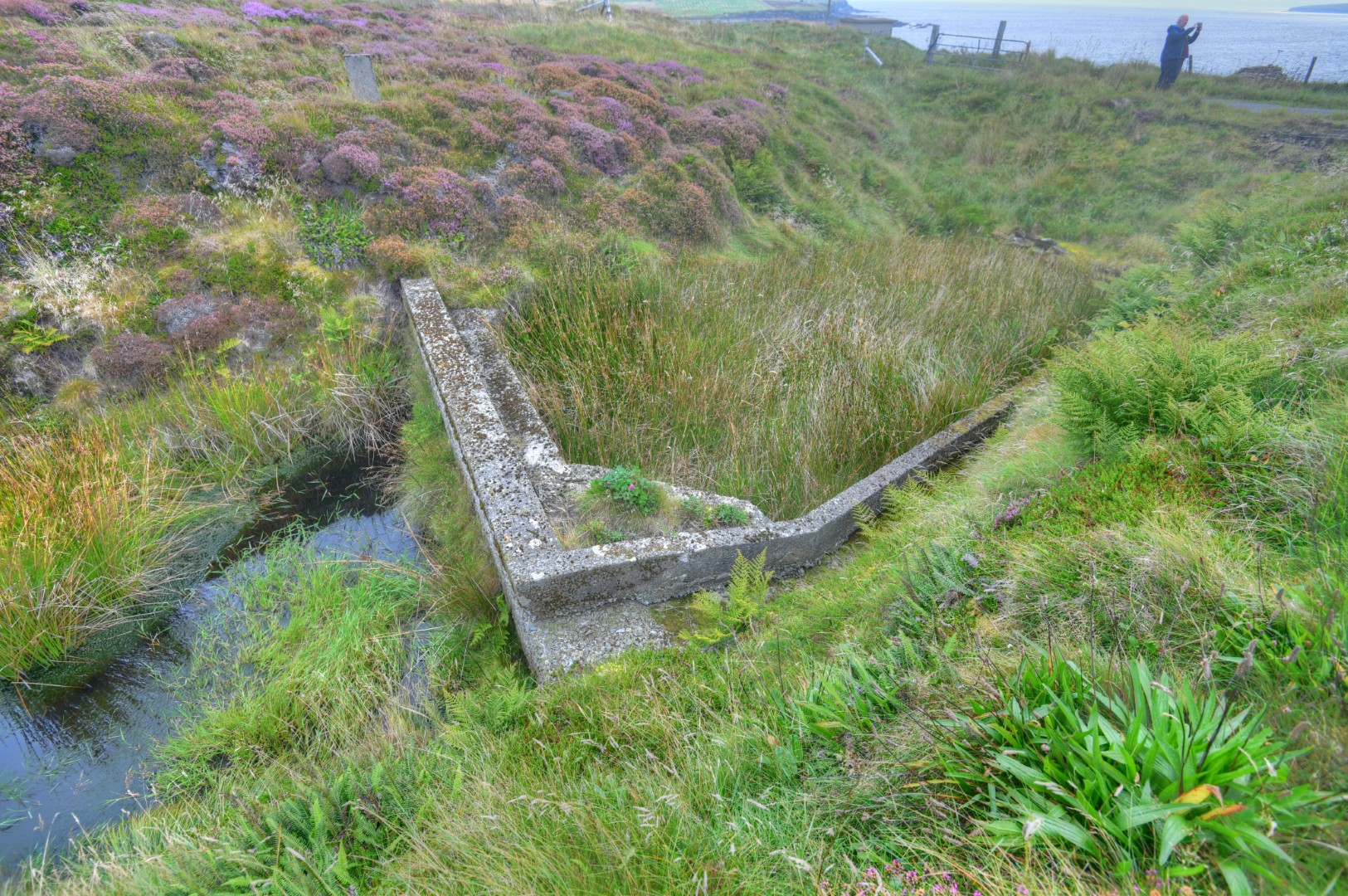
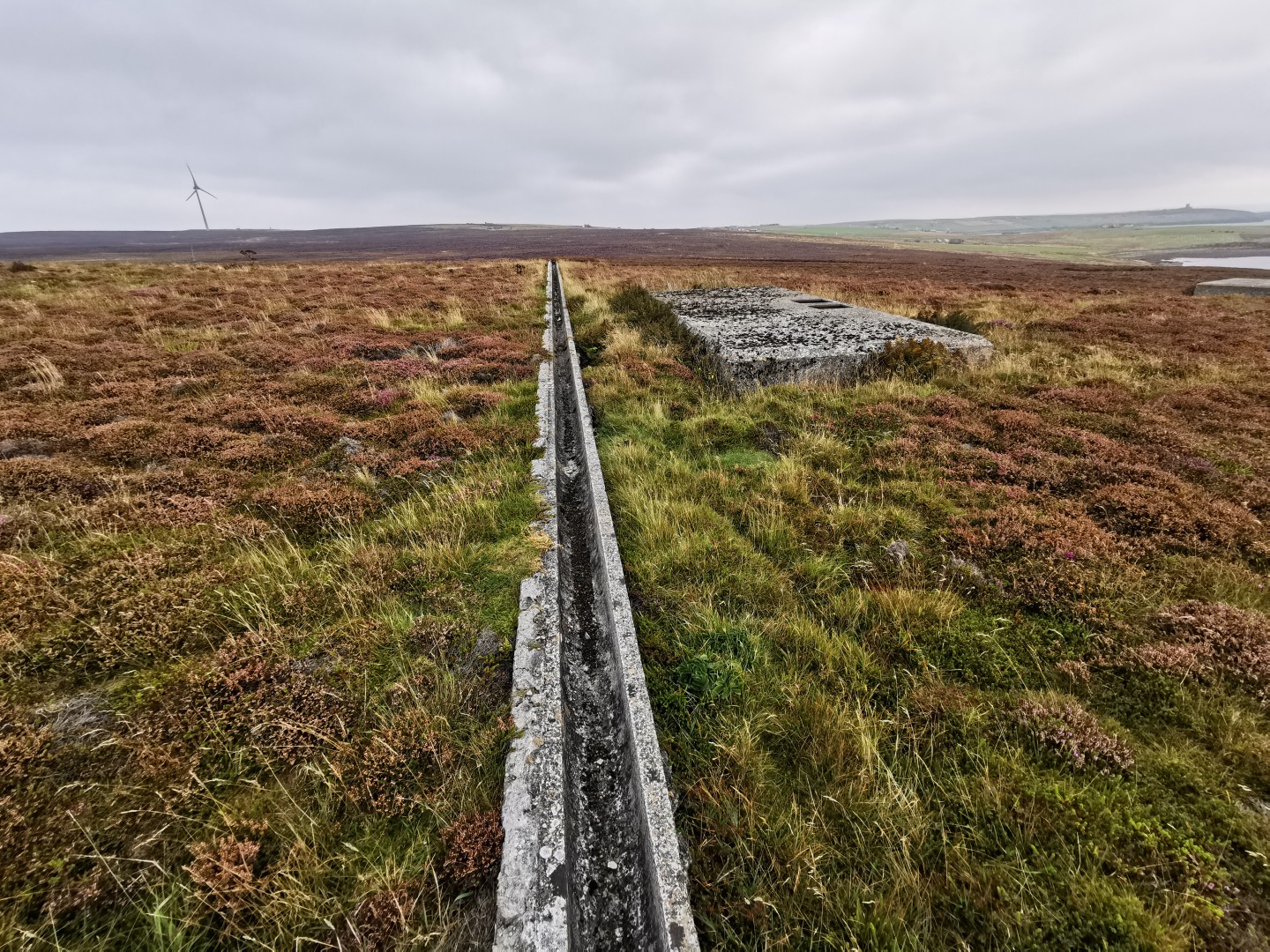
There is much more to see on Flotta including WWI and WWII gun batteries as well as a spectacular port war signal station (ND 37344 92587) and associated support building remains on Stanger Head. There was a complex rainwater gathering system to provide water for the vastly increased population and there are remains of collectors[CA7] as well as various reservoirs and dams still visible but disused.
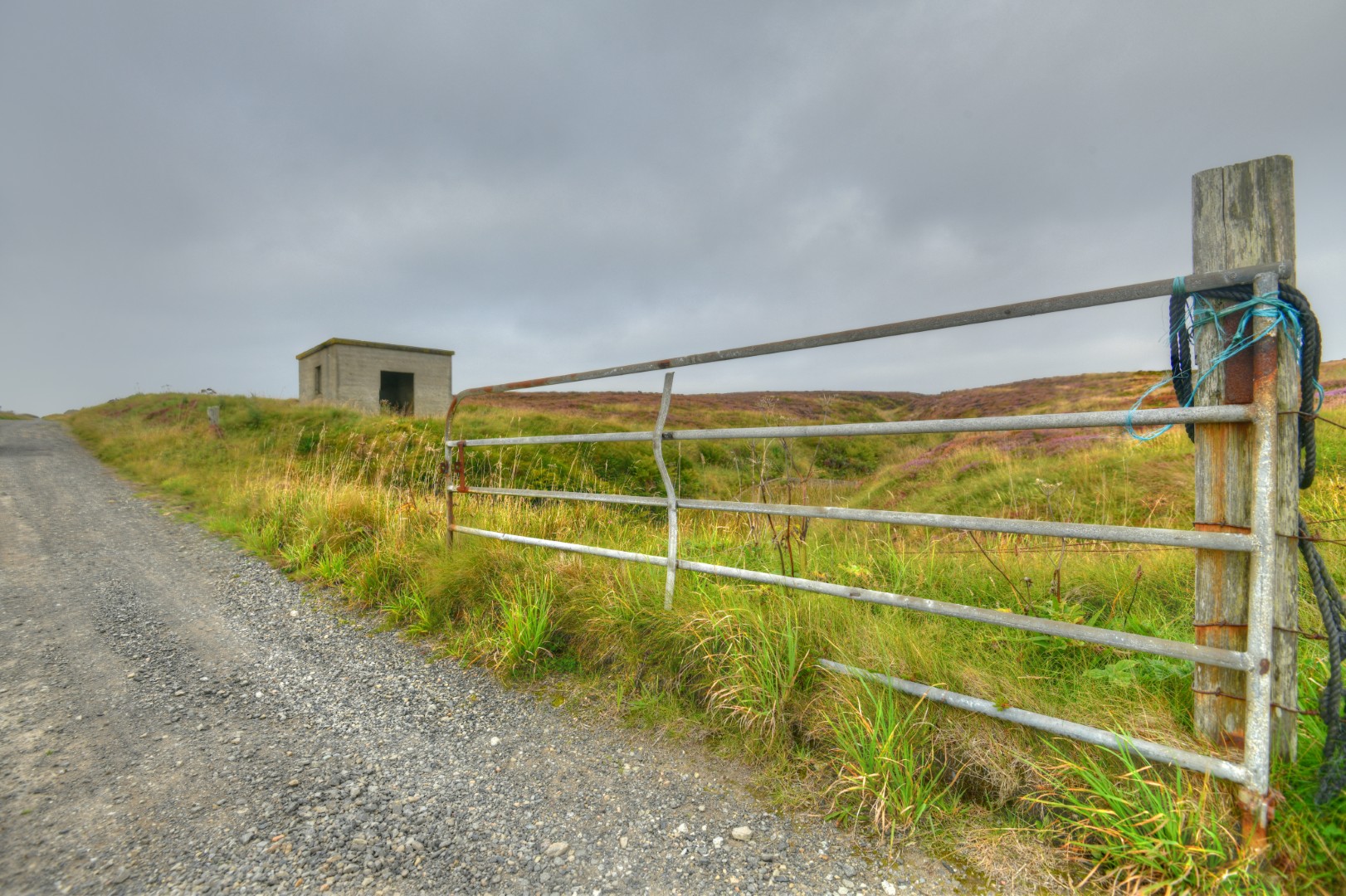
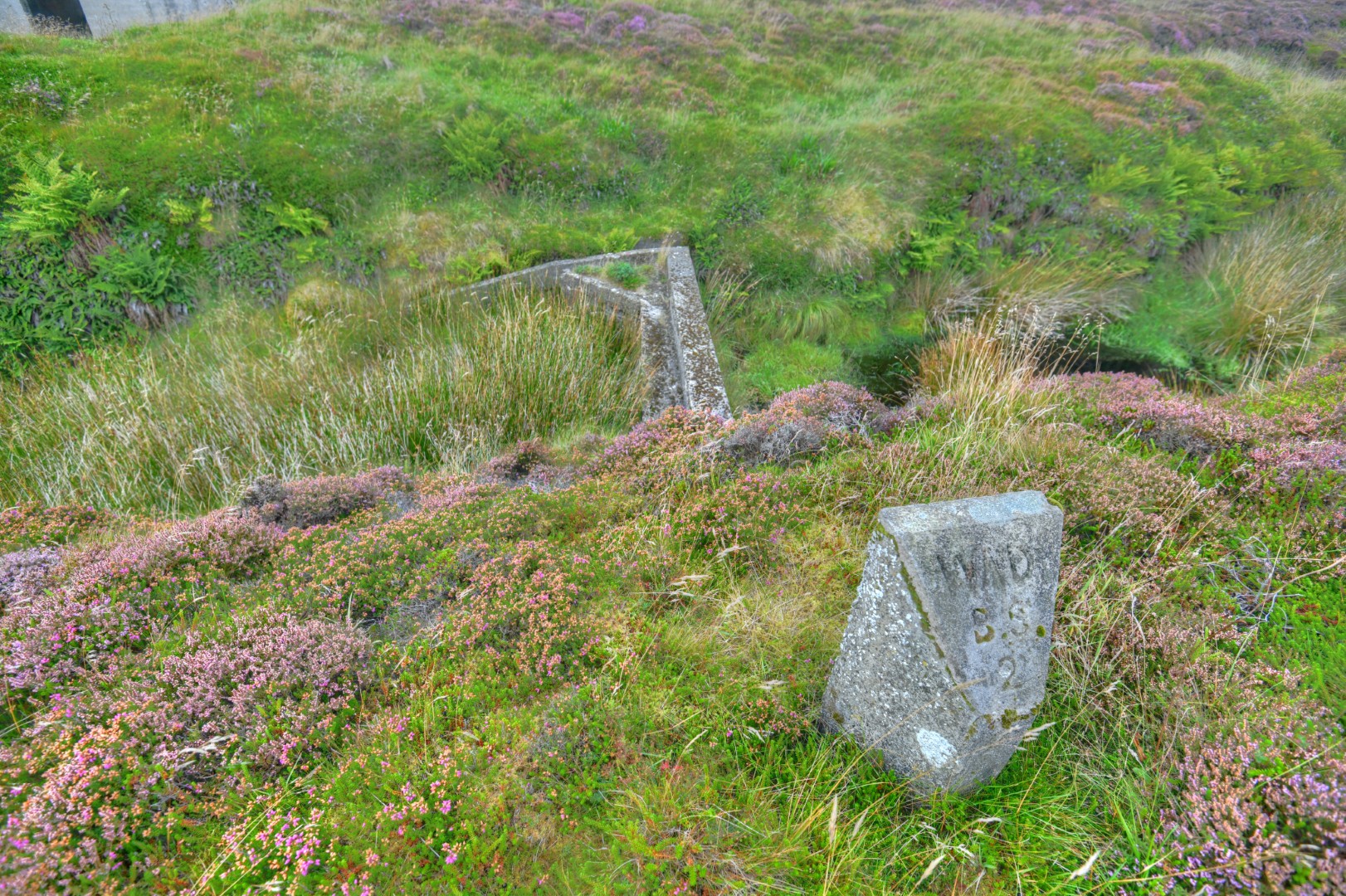
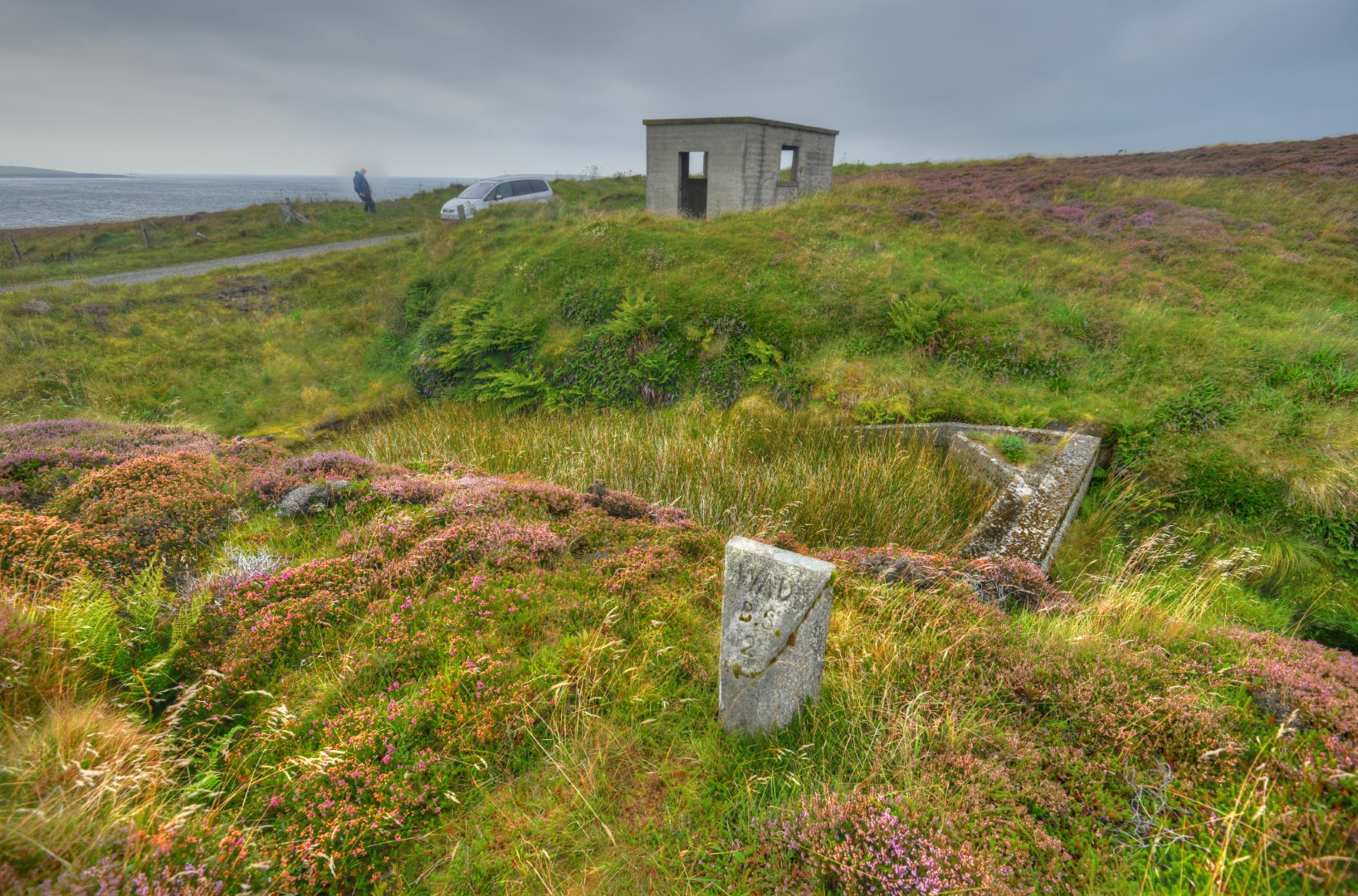

There is a very good signposted Flotta wartime trail which covers most of the main sites and is well worth following as well as a fascinating heritage centre at Lurdy (ND 36982 94000) if you should find yourself on Flotta with nothing else to do.
Colin Anderson 2024