
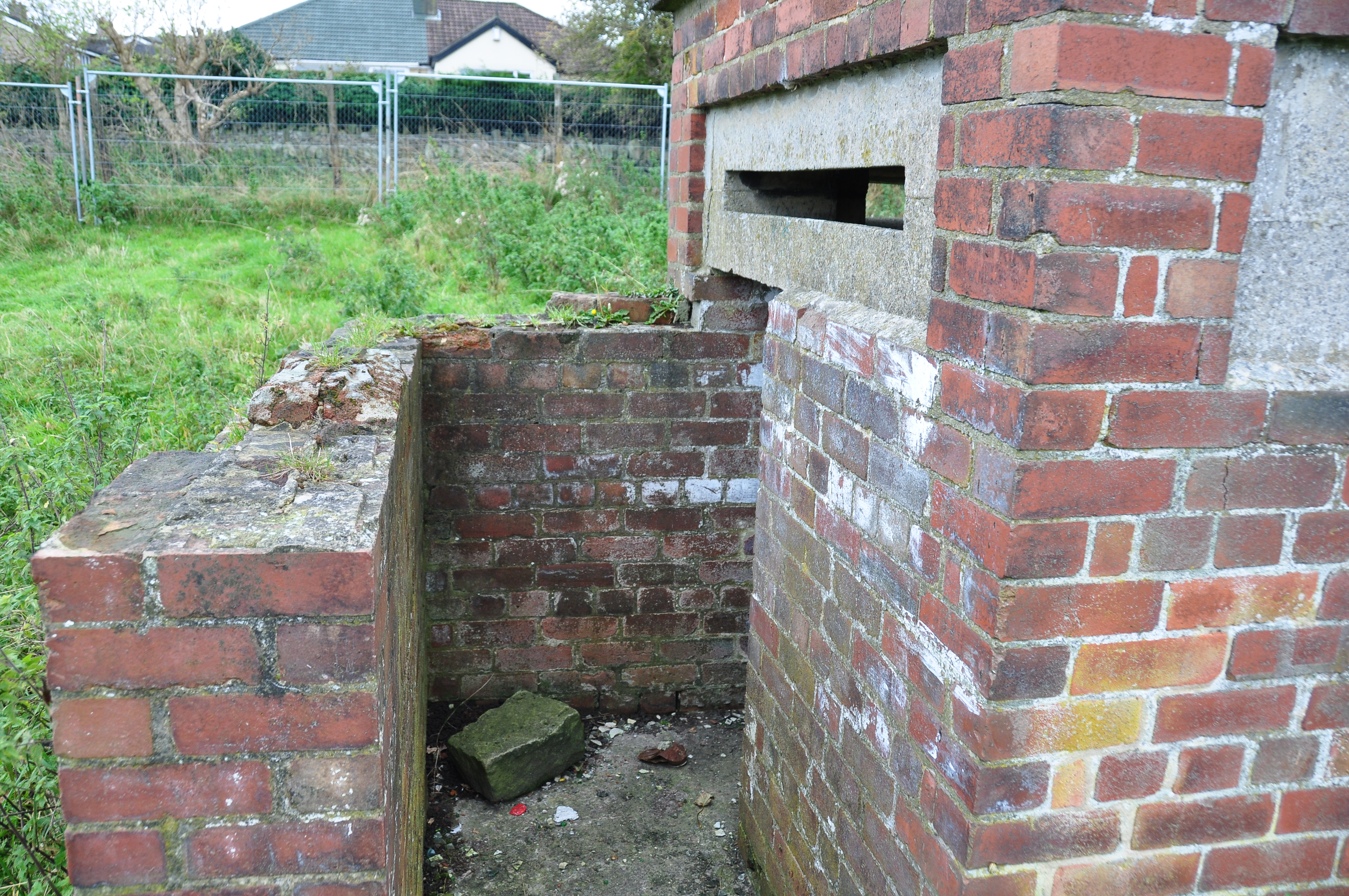
ROF Type The ROF type is a bespoke design only found at Royal Ordnance depots and factories. It is a small square pillbox with distinctive long narrow embrasures in each wall. The door is low and usually covered by a porch with a slightly angled roof. The long narrow embrasure […]
colin
128 posts
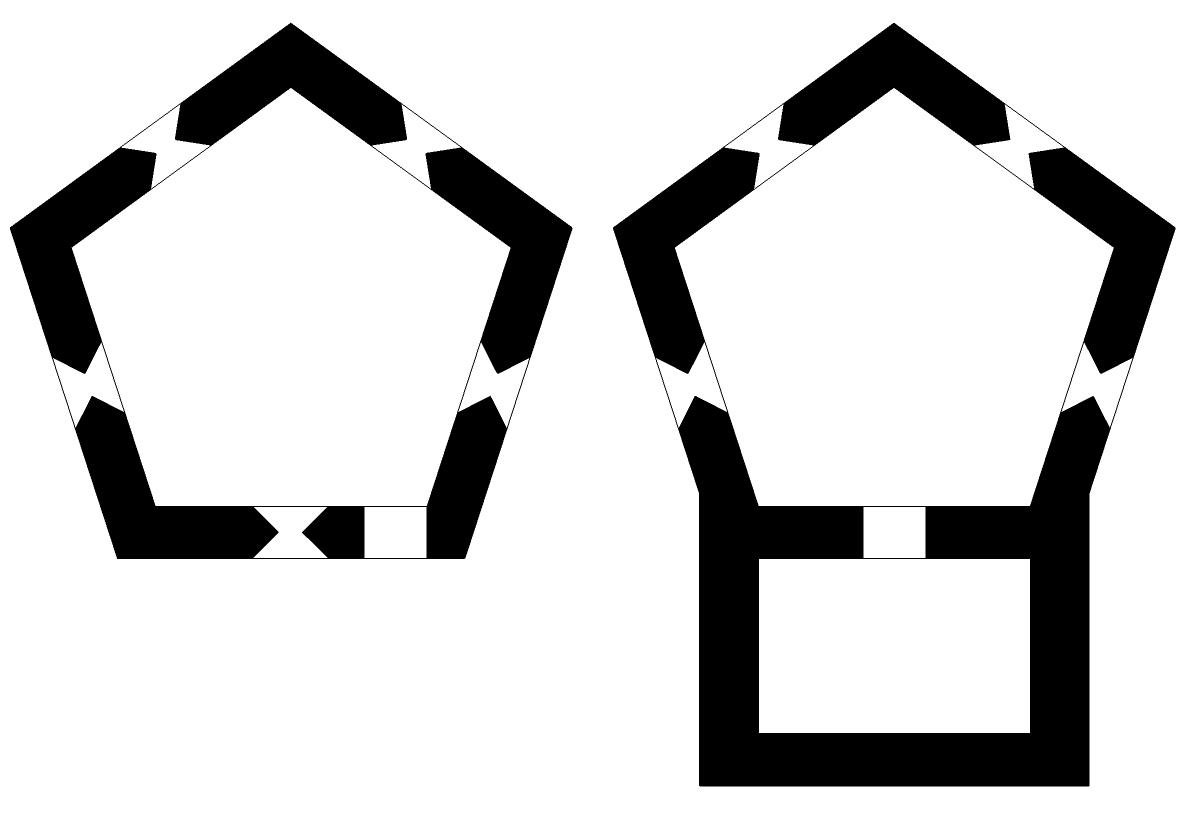
Pentagonal Pillboxes Pentagonal pillboxes, as the name suggests, are regular pentagons in shape. This general type appears to be an Air Ministry design as the remaining examples are only found on or close to airfields, there are 19 examples still extant. Some examples have embrasures in all the faces with […]
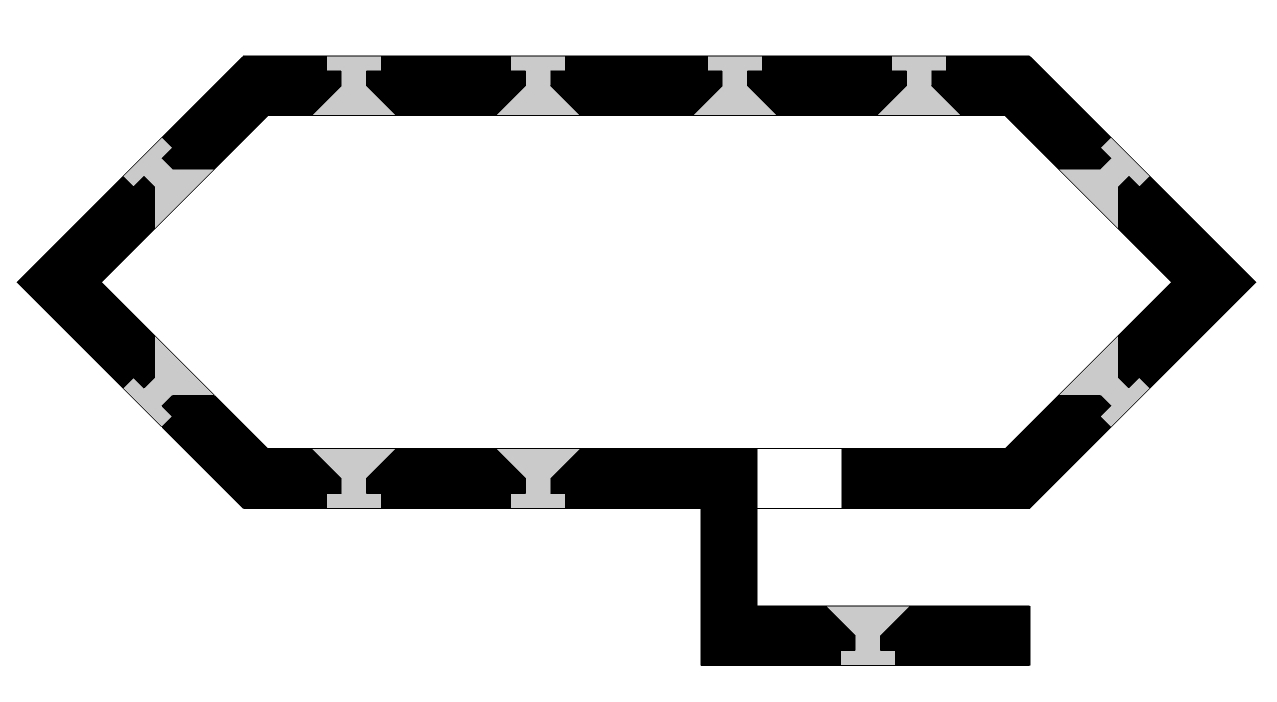
Lozenge Pillbox The lozenge type is found only in the Northeast of England. The type is an elongated hexagon in shape with long front and rear walls and two short angled walls at either end. The entrance is offset from the centre of the rear wall and is covered by […]
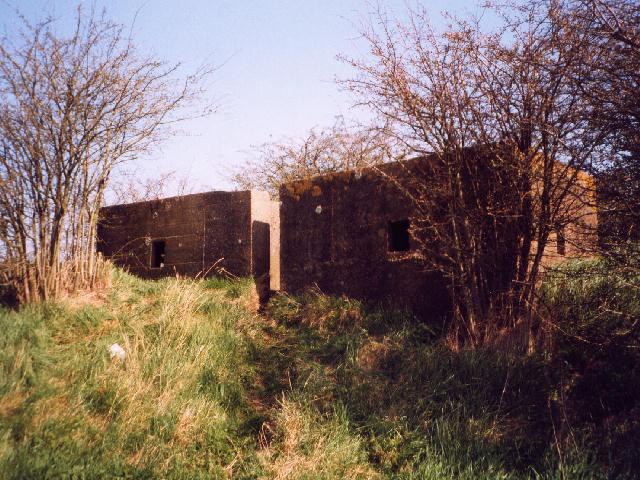
Lincolnshire Three Bay The Lincolnshire three bay pillbox is a variant form of the FW3/23. Essentially it is two of that type placed back to back and sharing an AAMG well to create a rectangular pillbox approximately 6.5m long and 2.5m wide with three fighting compartments. The two enclosed chambers […]
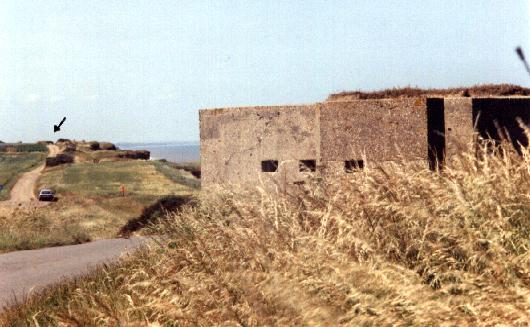
Essex Lozenge This type is unique to the Essex coastline and is purpose designed to command the flat lying land around the estuaries. It is an elongated octagon in shape having three angled faces of approximately 2m length at either end and 7m long sidewalls allowing the pillbox to straddle […]
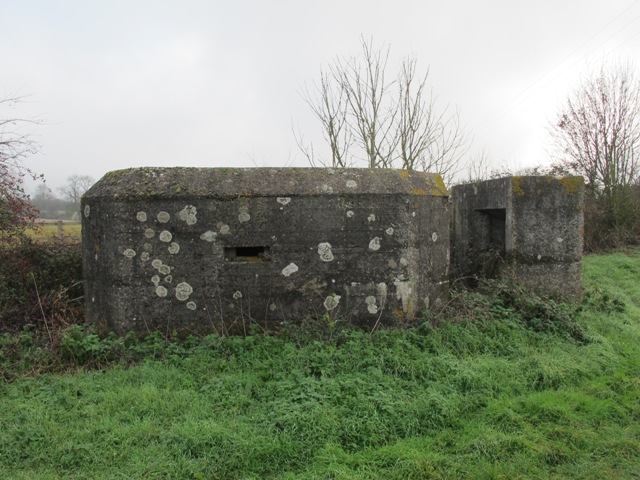
Eastern Command Type This Type is almost unique to Essex (two exist north of Cambridge) and only occur on the main Eastern Command line. It is an Infantry variant of the Vickers Machine Gun Emplacement (VMG), being square in plan with external walls 4m in length. The front corners are […]
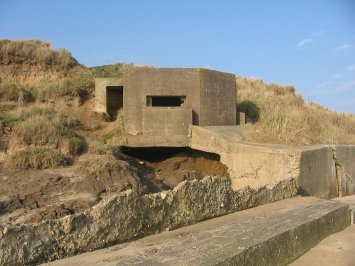
Eared Pillbox This pillbox gets its name from its unusual entrance arrangement which from some angles suggests it has ears. This type is only found in the North East along the stretch of coast between Scarborough and Withernsea. The design is intended to house two Vickers Machineguns in an […]
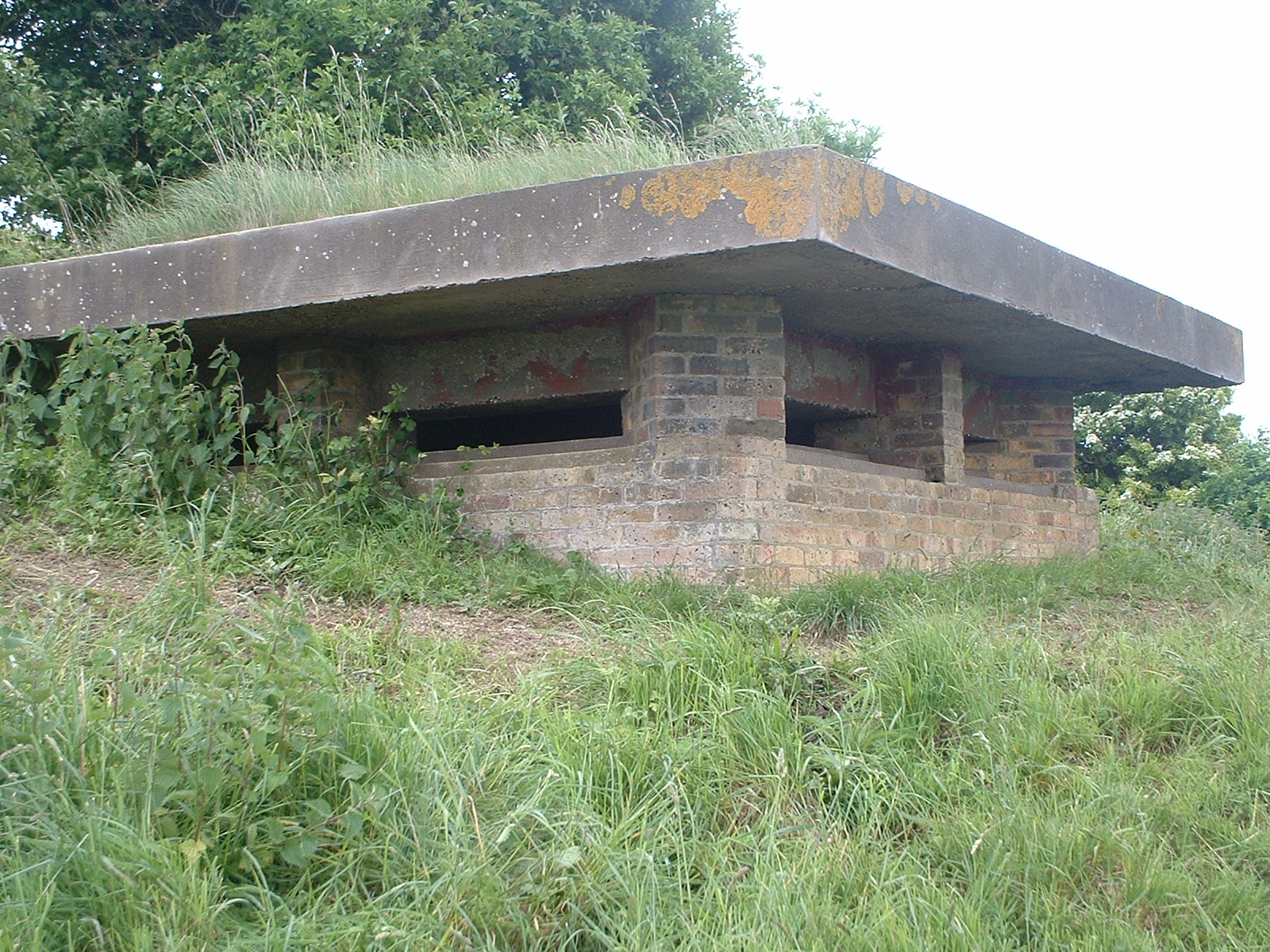
Dover Quad Pillbox The Dover Quad pillbox has a square plan and is 4m on a side. It has an overhanging concrete slab roof supported on 8 pillars, one at each corner and in the centre of each wall. This creates 8 wide embrasures offering minimal protection to the occupants […]
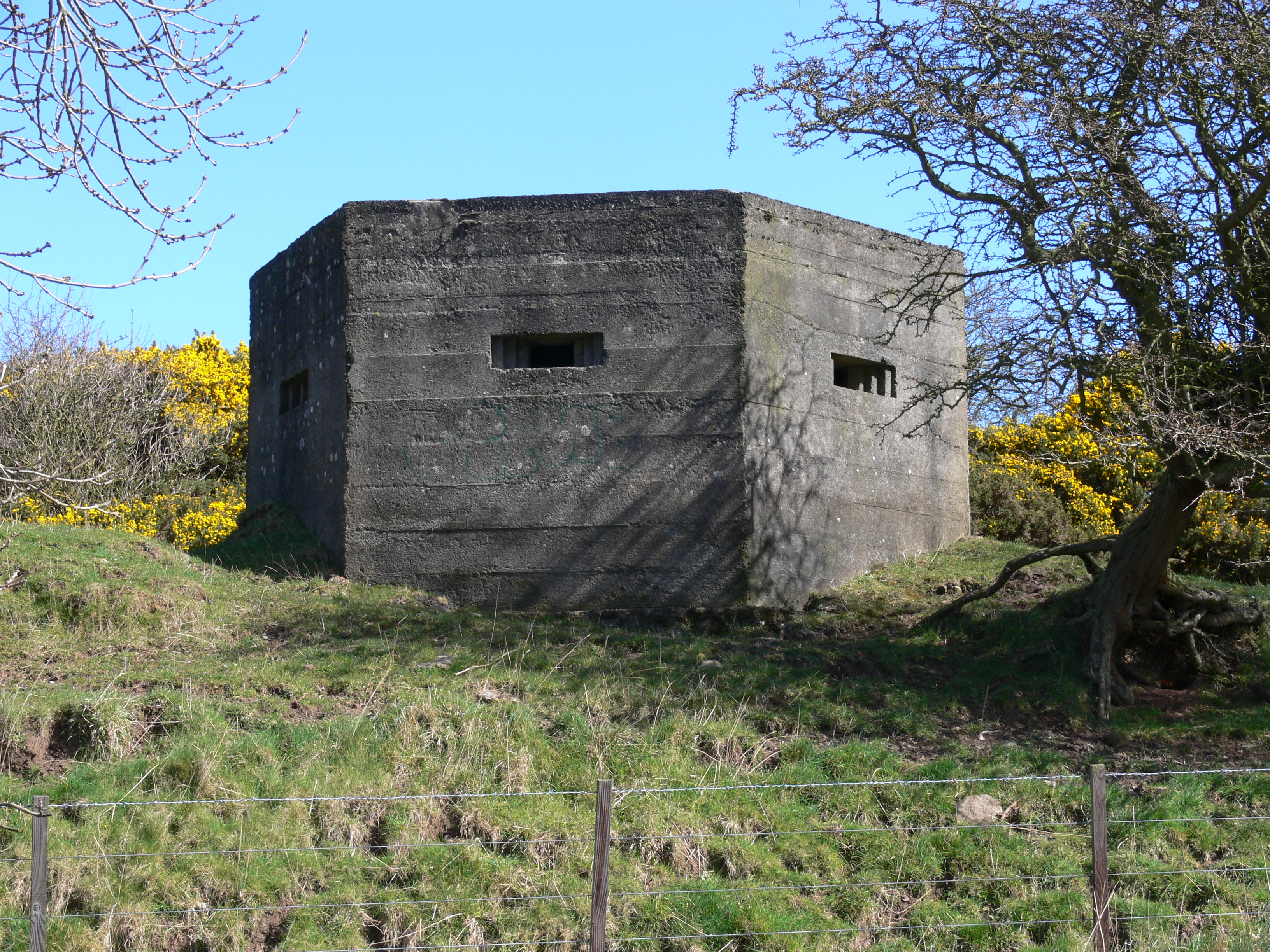
Northumberland D Type This variant is only found in Northumberland and 17 examples are known to exist. The name comes from the shape of the pillbox. It superficially resembles a Type 24 in that it is an irregular hexagon with three front faces and a long back wall, but […]

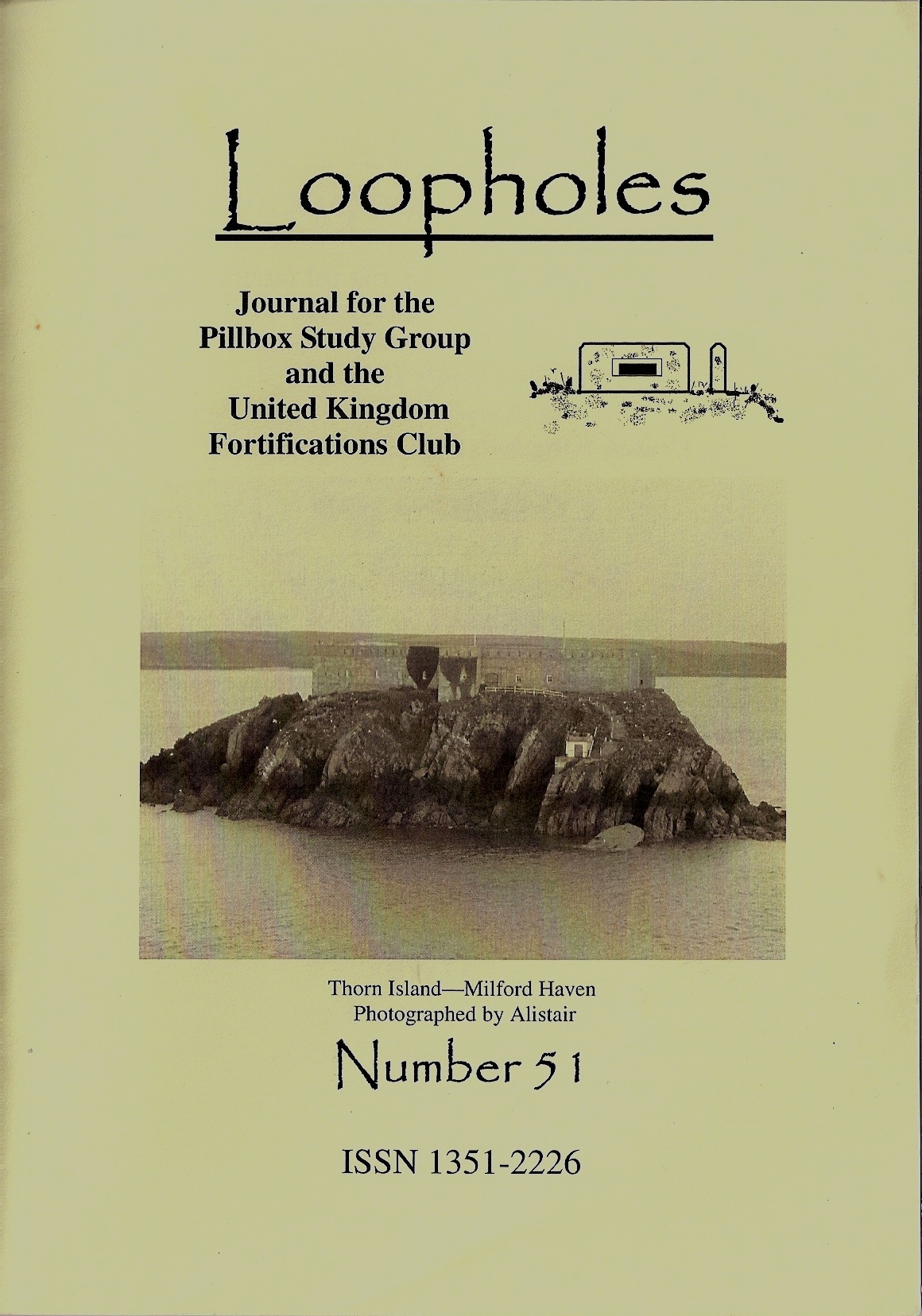
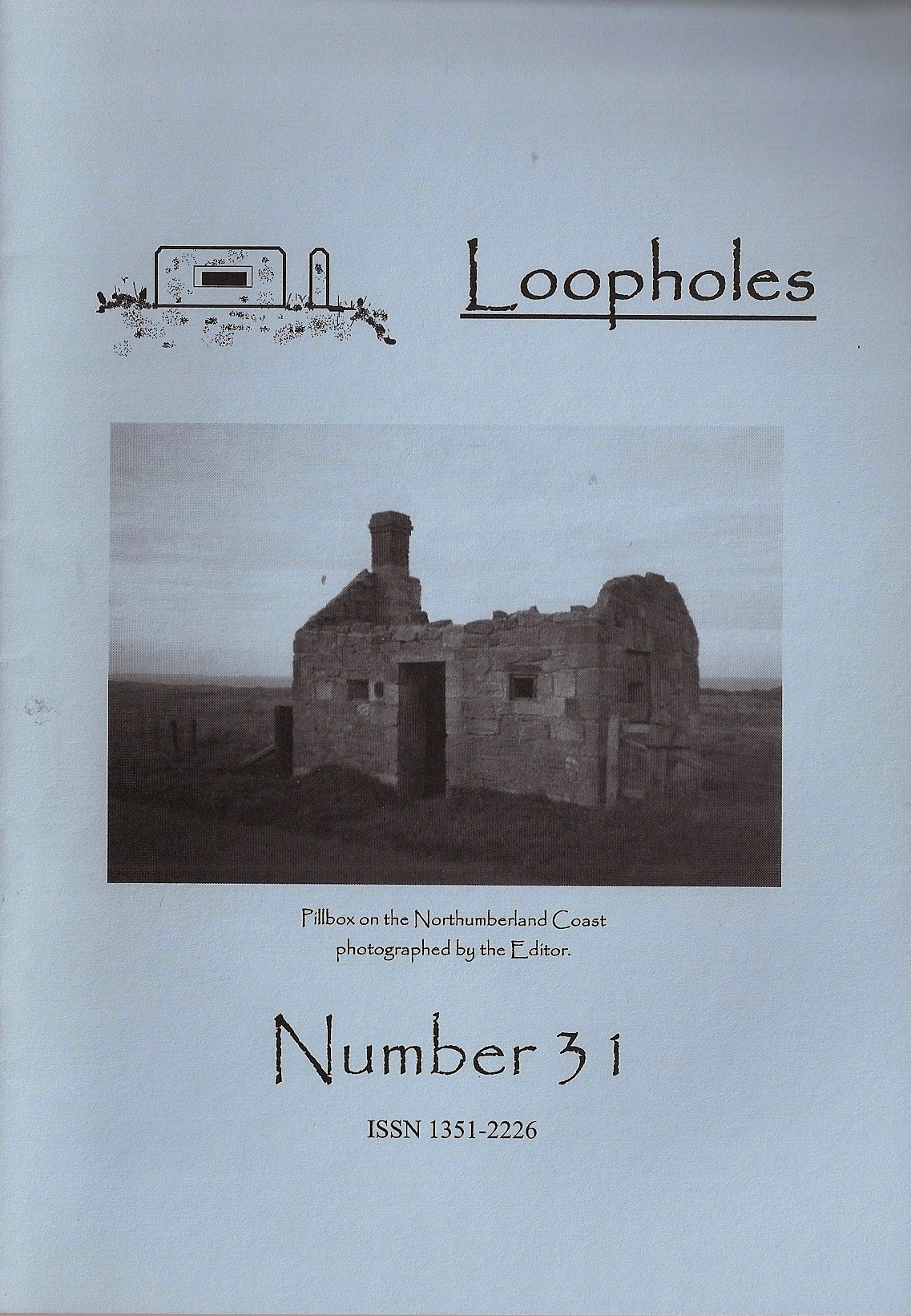

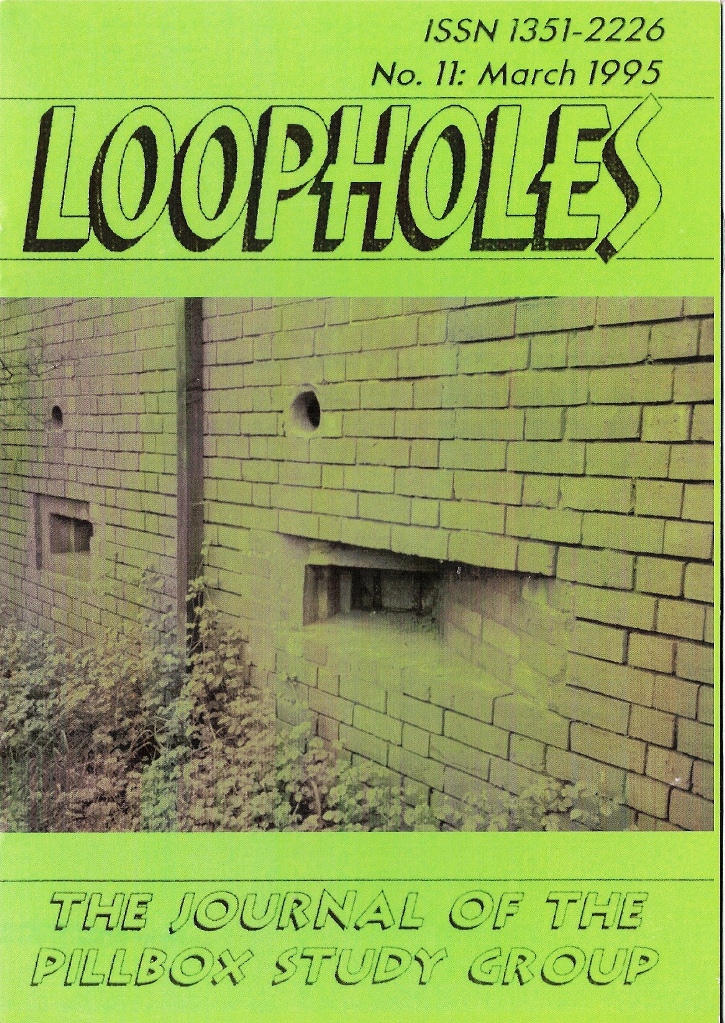

Hexagonal with central LAA / Observation well. This is usually found in two sizes: One with walls of 11′ 7″ (3.5m) and the other with walls of 9′ 9″ (3m) Instead of the high level doors through to the central well, there is usually a full-height door in an angle […]
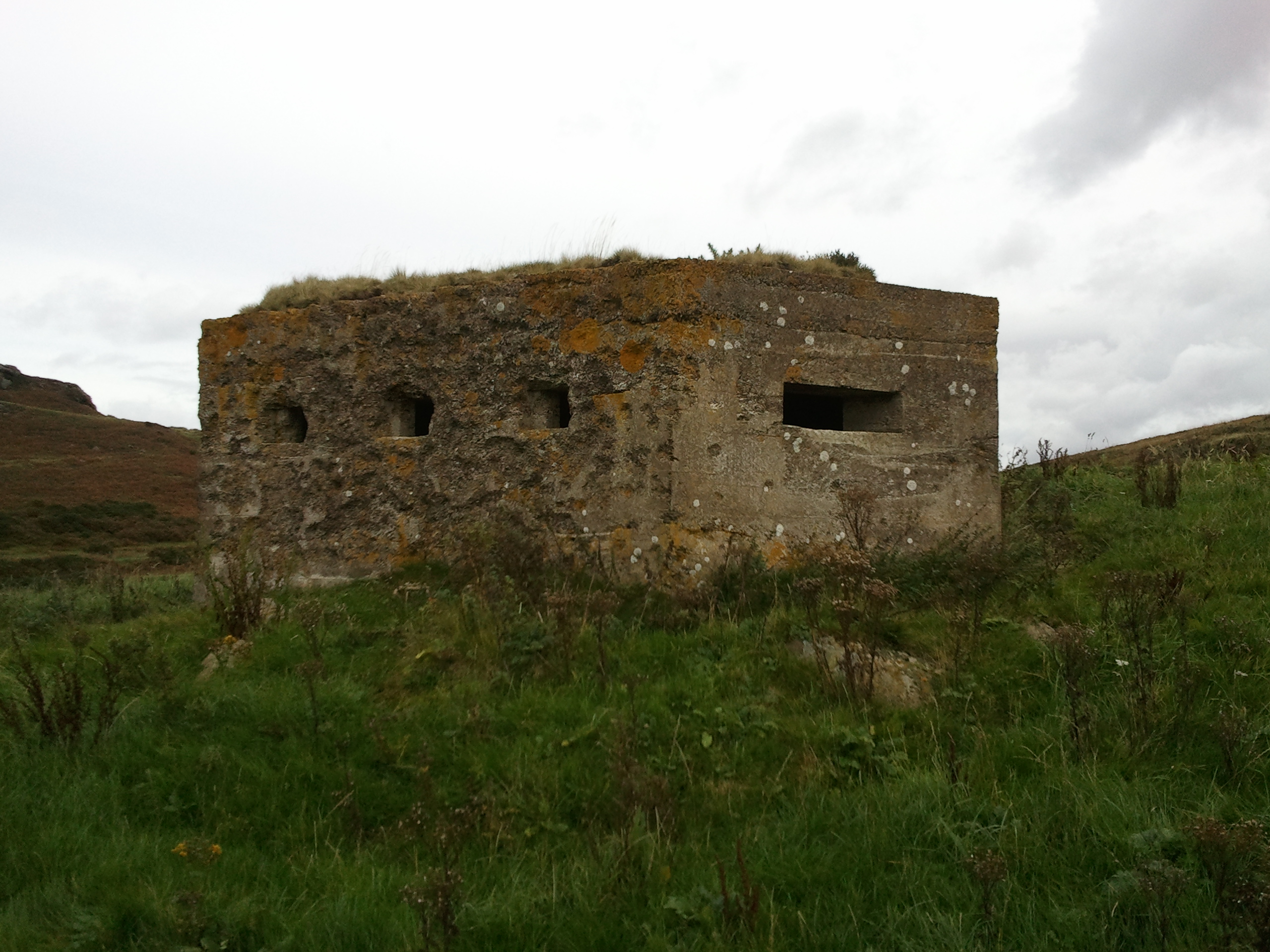
Wooler To Belford This is the most northerly stop line in the county of Northumberland and as such probably the most northerly in England. It stretches from the town of Wooler in the west to the coast just past Belford in the east, an area of basically moorland and rough […]

Rare and unusual designs normally built for a specific location where observation and a clear view of fire was essential and not necessarily possible with a standard design of pillbox. Bulletproof Double Storey Pillbox, Slaugham, West Sussex. S0008043 TQ 249277 This brick shuttered two level defence can be found facing east at […]
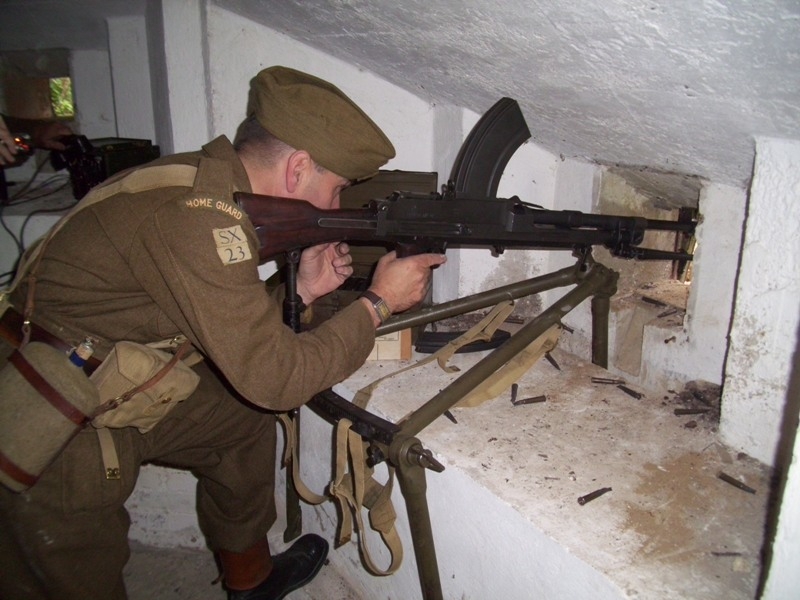
National Trust North Downs Pillbox Day Surrey National Trust and head warden Rob Hewer had organised and arrange this special day with the 23rd Sussex Home Guard re-enactment group under the command of Richard Hunt. Sunday the 13th of September 2009 was probably the first time the GHQ Line B […]
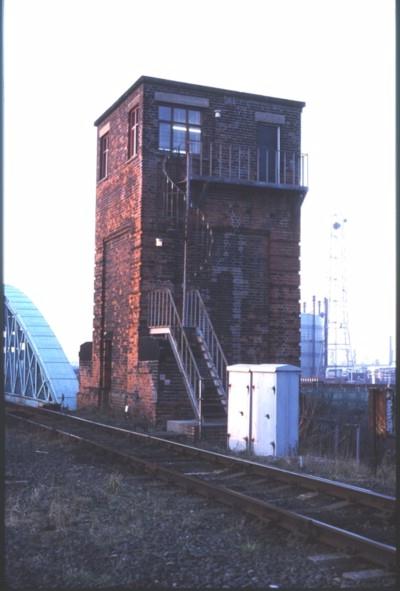
In the late 1930s as threat of war with Germany grew so did the general anticipation that if war came it would involve an aerial bombing campaign. The railway companies were faced with the prospect of keeping vital buildings, such as signal boxes, operational despite the threat of damage from […]

The rescue & recording of two Vickers gun emplacements A sunny October morning in 2009 saw well known PSG members meet to start on operation Cromwell, a project carrying out a study to uncover, record and renovate some of Ewshot’s many surviving pillboxes for hopeful long term survival. The team […]
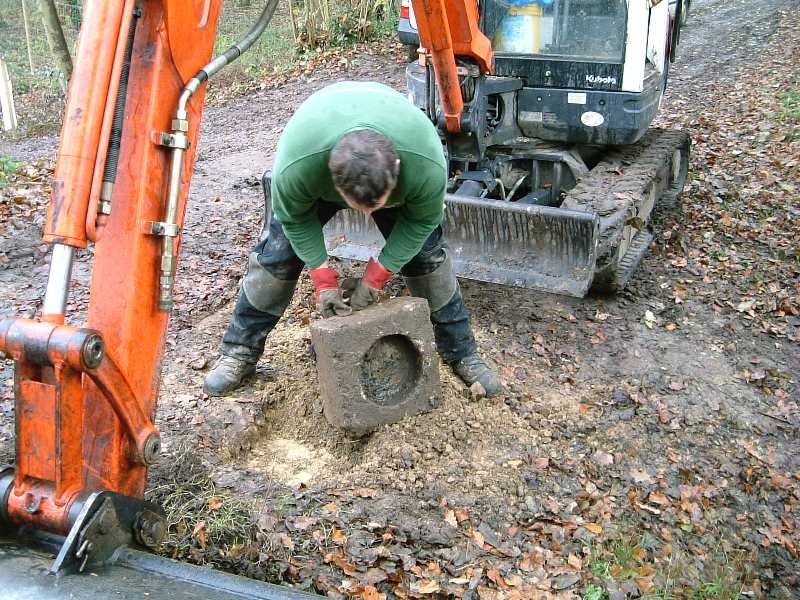
Anti-tank Cylinder and Mine Socket Excavation, Blacksmith’s Bridge, Dogmersfield, Hampshire. During the winter months of late 2007 and early 2008 I was involved in the discovery and excavation of mine sockets on Blacksmith’s Bridge, Dogmersfield in Hampshire. Previously only three of these sockets were visible. At first it was thought […]
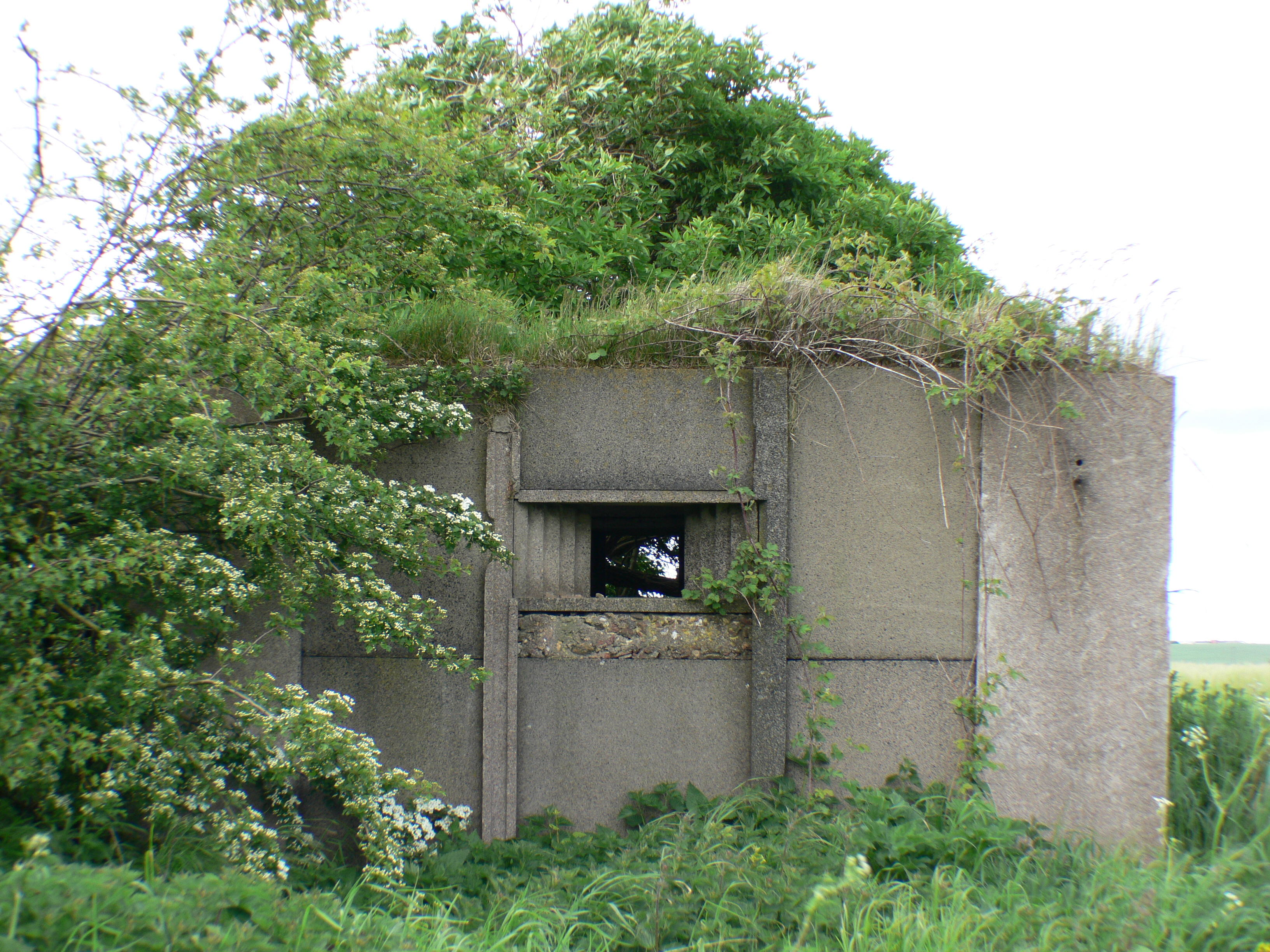
It’s not often that one finds a truly “new” pillbox these days (I know all of them are 60+ years old), but even rarer that a “new” name for a pillbox is uncovered. This is the story of how that came about, thanks to the Pillbox Study Group, Defence of […]
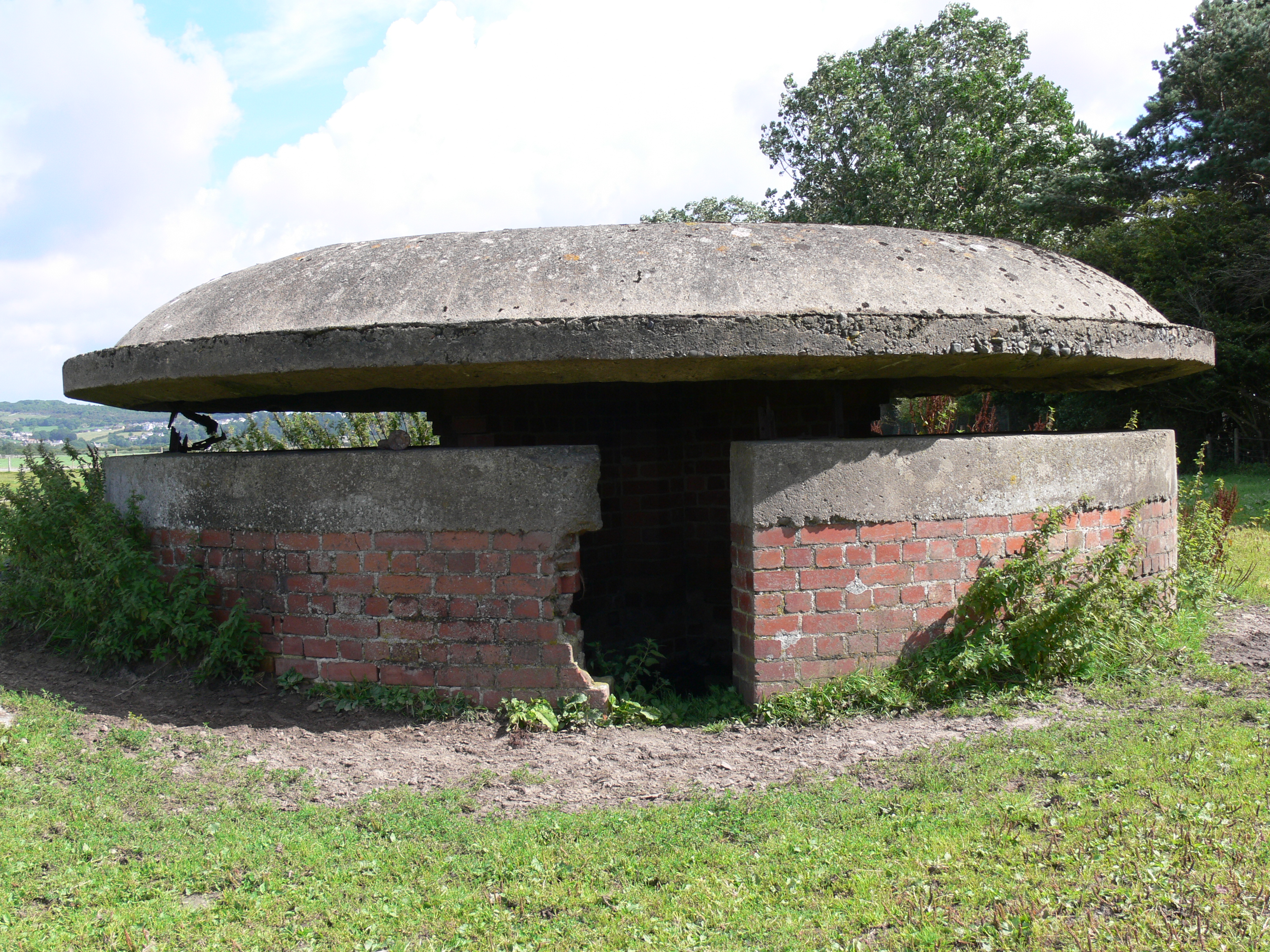
The F.C. Construction Type are also variously termed “Mushroom” due to its shape or “Oakington” & “Fairlop” Pillboxes, probably because examples are present on both these airfields. The type seems to be confined to airfields apparently being found predominantly in the eastern counties of Britain. When Henry Wills wrote “Pillboxes” […]
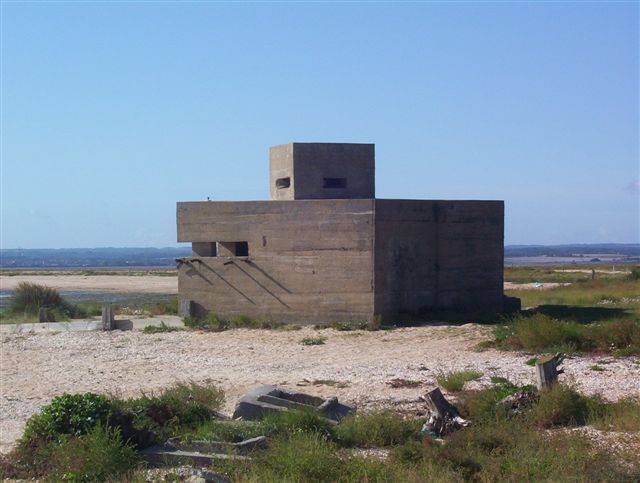
eDoB Online Map – S0012601 Louise Manuell takes a photographic tour of this very unusual defence structure. NGR: TR 05283 67630
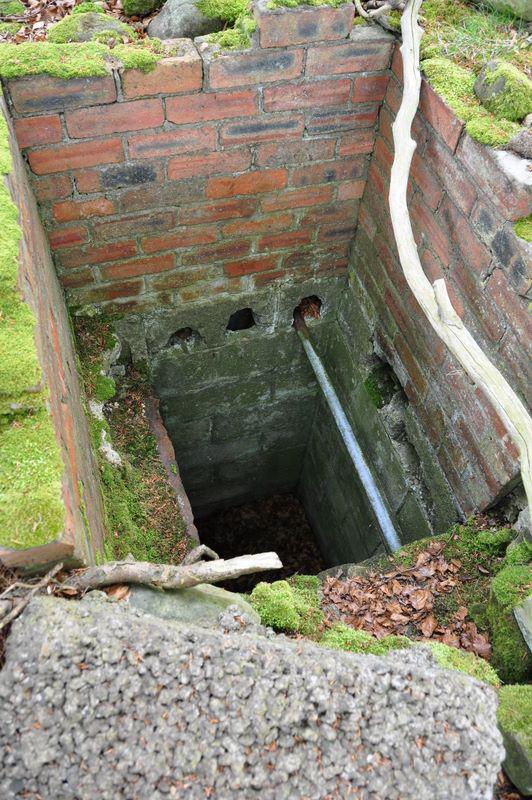
Survey Report Introduction On 29th May 2010, Colin Anderson and Ian Hall carried out a survey of the Auxiliary Unit (Special Duties) Zero Station at Heifer Law, near Alnwick. This report provides an overview of what was found during the survey. Thanks must go to Northumberland Estates, the landowners of […]
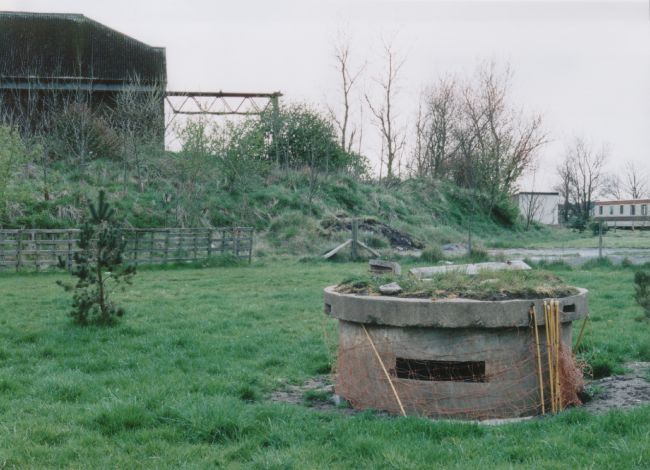
Site Name: Portsmouth , Old City Airport Site Type: Defence > Pickett-Hamilton Retractable Pillbox NGR: SU 6732-0390 Location: On sea wall between remnant of former moat to Hilsea Lines, retained as a drainage channel for former airport and present housing estate (since this dig this has become a community of […]
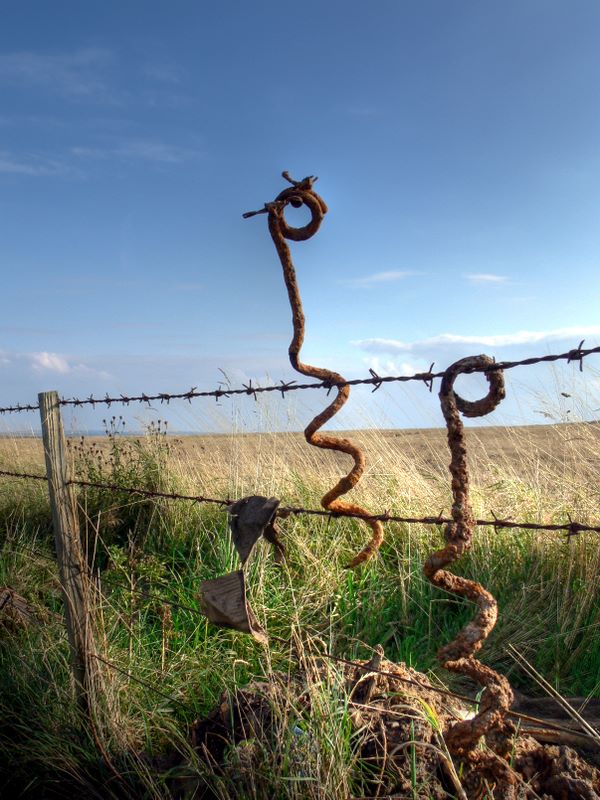
Following an appeal for help on the (old) Pillbox Study Group forum from Paul Thompson, four of us met up on August 17th 2008 to clean up 3 pillboxes located at Beal farm on the Northumberland Coast, overlooking the causeway to Holy Island. The first of these is a rectangular […]
East Yorkshire by Austin J Ruddy The Holderness area of East Yorkshire stretches 30 miles from Flamborough Head in the north to Spurn Head in the south, and 20 miles inland past Hull, along the river Humber. It is predominantly rural landscape, gently undulating, made up of loamy glacial soil, […]
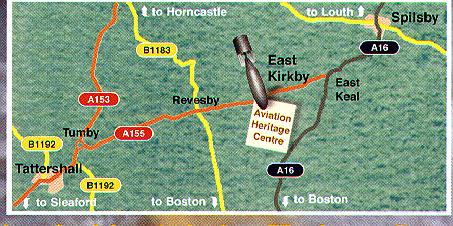
By The Lincolnshire Aircraft Recovery Group The remains of the Bison were found at Sleaford where it had been a familiar land mark to many and a playground item to many children over the last 50 years. However, few could have known its historical value. Indeed, only around 200 were […]
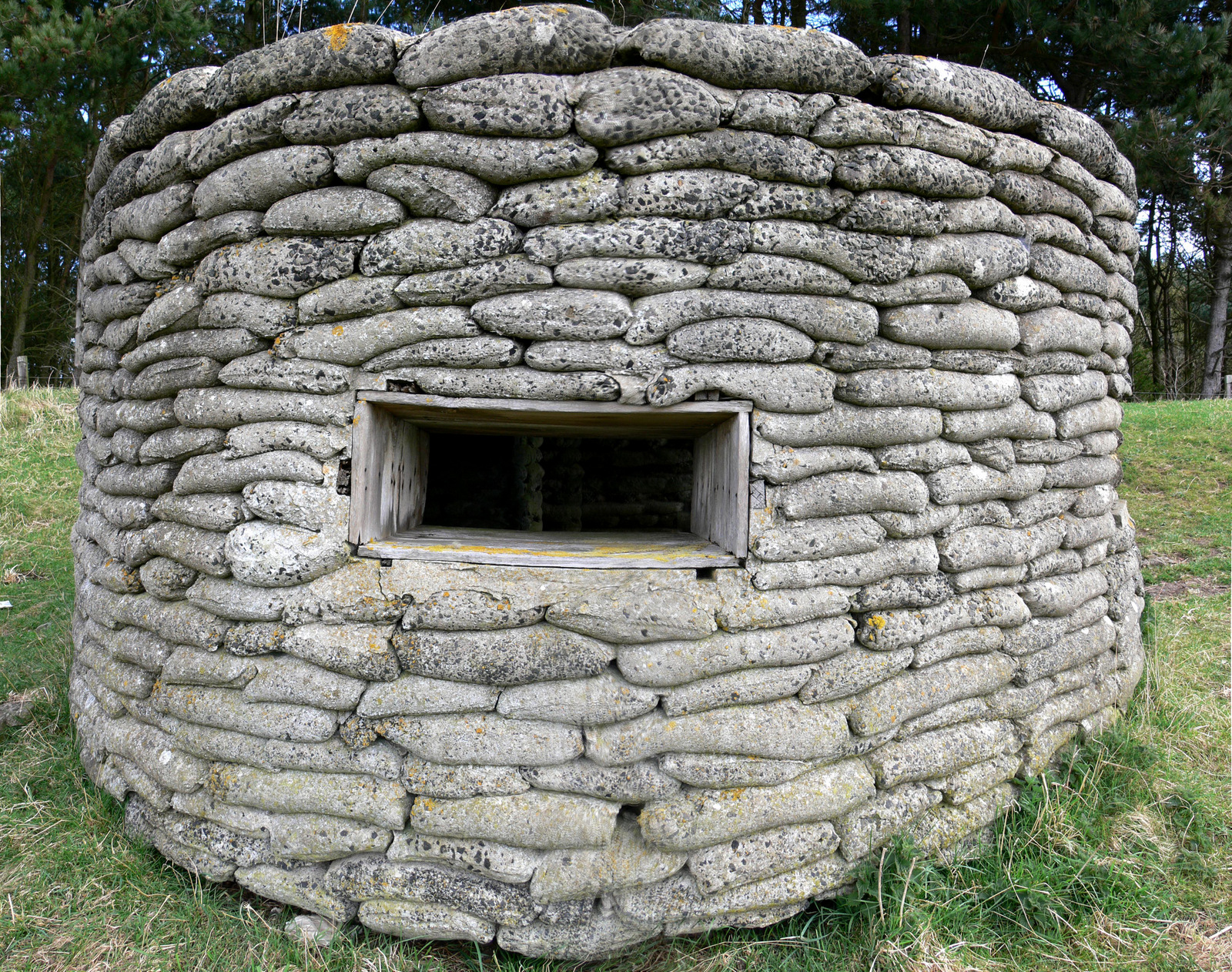
Northumberland ‘Beehive’ Pillboxes Edlingham It is located half way between Alnwick and Rothbury on the B6341 road, NGR: NU 12435 09377. It is close to the edge of the road by a small lay-by but unless you know where it is you’ll easily miss it. The site is in […]
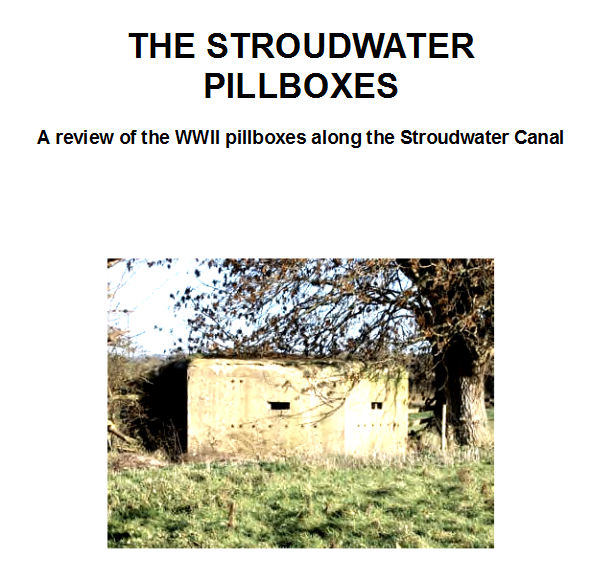
http://www.gsia.org.uk/canals/projects/s04_ars_pillboxes.pdf
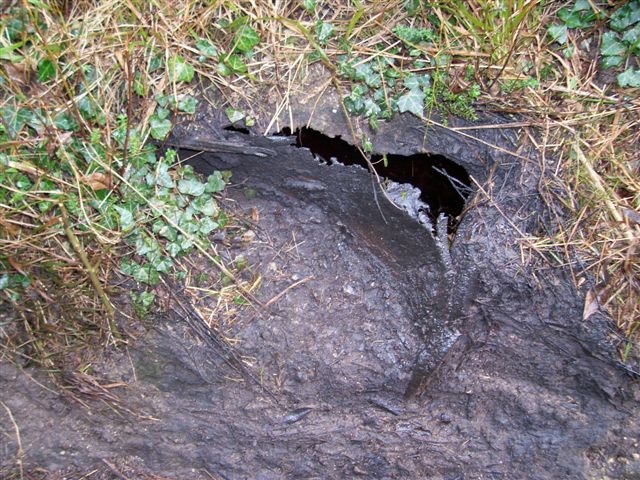
Saddlescombe Road, Poyning, West Sussex. NGR: TQ 267118 Fanning The Flames As Flame Trap Fever continues to sweep the nation fuelled by recent ‘Loopholes’ articles, I have discovered a good example of a Flame Fougasse in-situ on the South Downs in West Sussex, demonstrating that it is a great deal […]
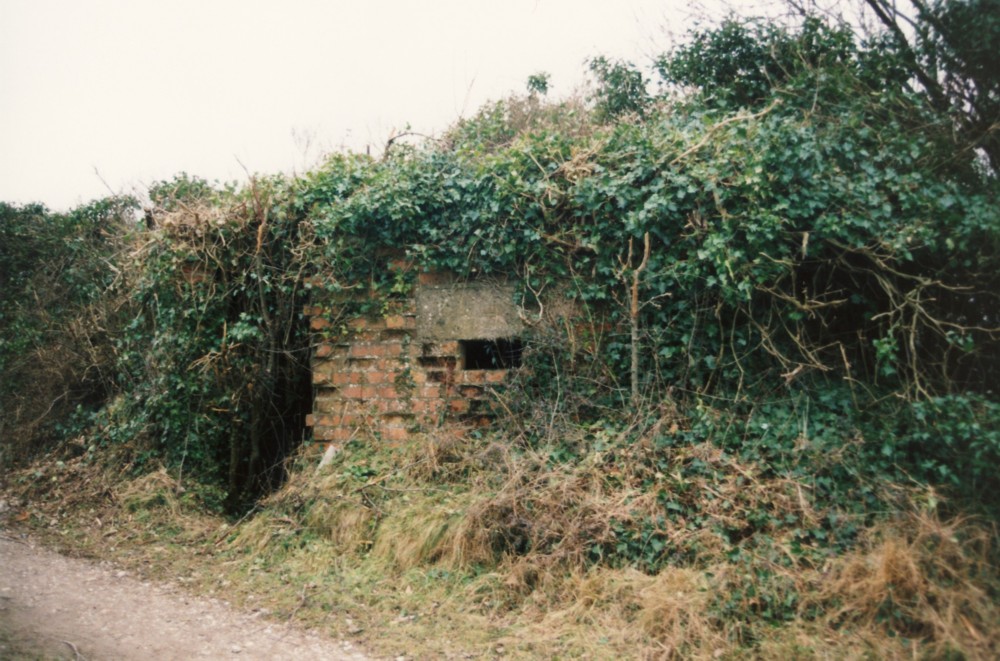
The Maiden-Newton To Dorchester Section Down in the deepest, darkest depths of Dorset the remains of hundreds of Second World War structures still lie littered around the countryside. The county of Dorset, with its extensive coastline, natural harbours and relative proximity to the shores of northern France made it a […]

Bridlington Auburn Sands, Bridlington was a very vulnerable, quiet area, perfect for a German landing, with smooth, golden, flat, sandy beaches and flat tank country behind it. Today, it is a perfect example of surviving ‘coastal crust’ defences and most definitely worth a visit. Interestingly, it is still possible to […]
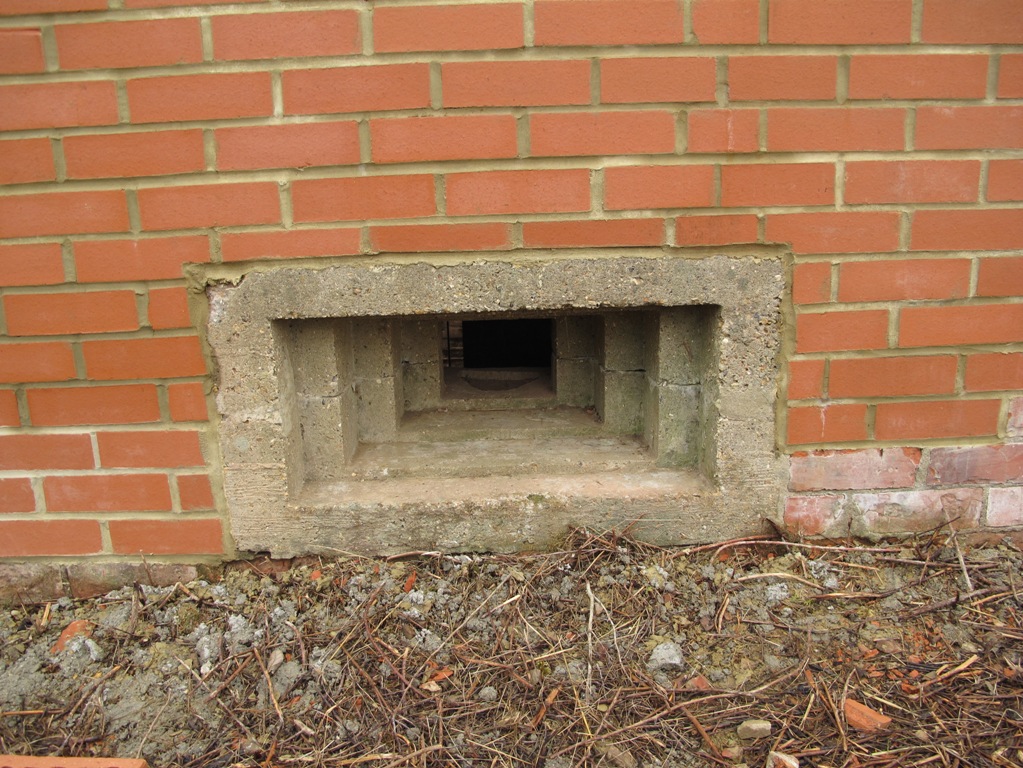
During the 1938/39 period I was employed erecting and fitting-out the sectional buildings which comprised the Berechurch and Roman Way Camps at Colchester (no doubt those names will be familiar to some) and when these contracts were nearly complete the contractors, I think it was Mears & Son, were awarded […]
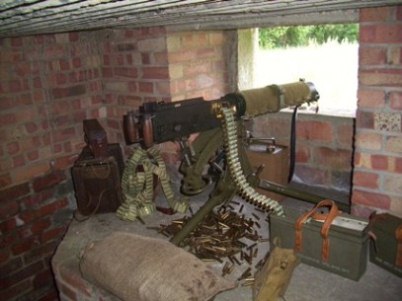
The GHQ Line, Aldershot Command (See O.S. 50,000 Map 186) A Concentration of Vickers Medium Machine Gun Pillboxes General Although the G.H.Q. Line is well equipped with 2pdr A.T. Gun and 6pdr Q.F. Gun pillboxes, very few pillboxes were built for the Vickers Heavy Machine Gun and today only sixteen […]
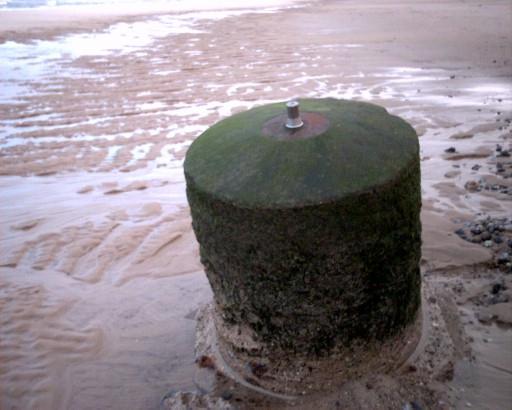
Spigot Mortar Base This spigot mortar base can be found on the beach at Winterton and would most probably have been originally located on the cliff or at least above the high water mark. However, it is now most definitely on the beach and gives us a fantastic insight into […]
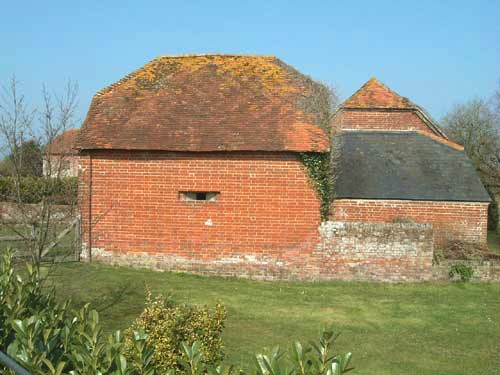
Downton, Hampshire Adapted from an article published in Loopholes No: 21 By Nigel walker Ever since I moved into the area I have been fascinated by the mill complex which straddles the River Avon some 3 miles south of the village of Downton where I live. What interested me were […]
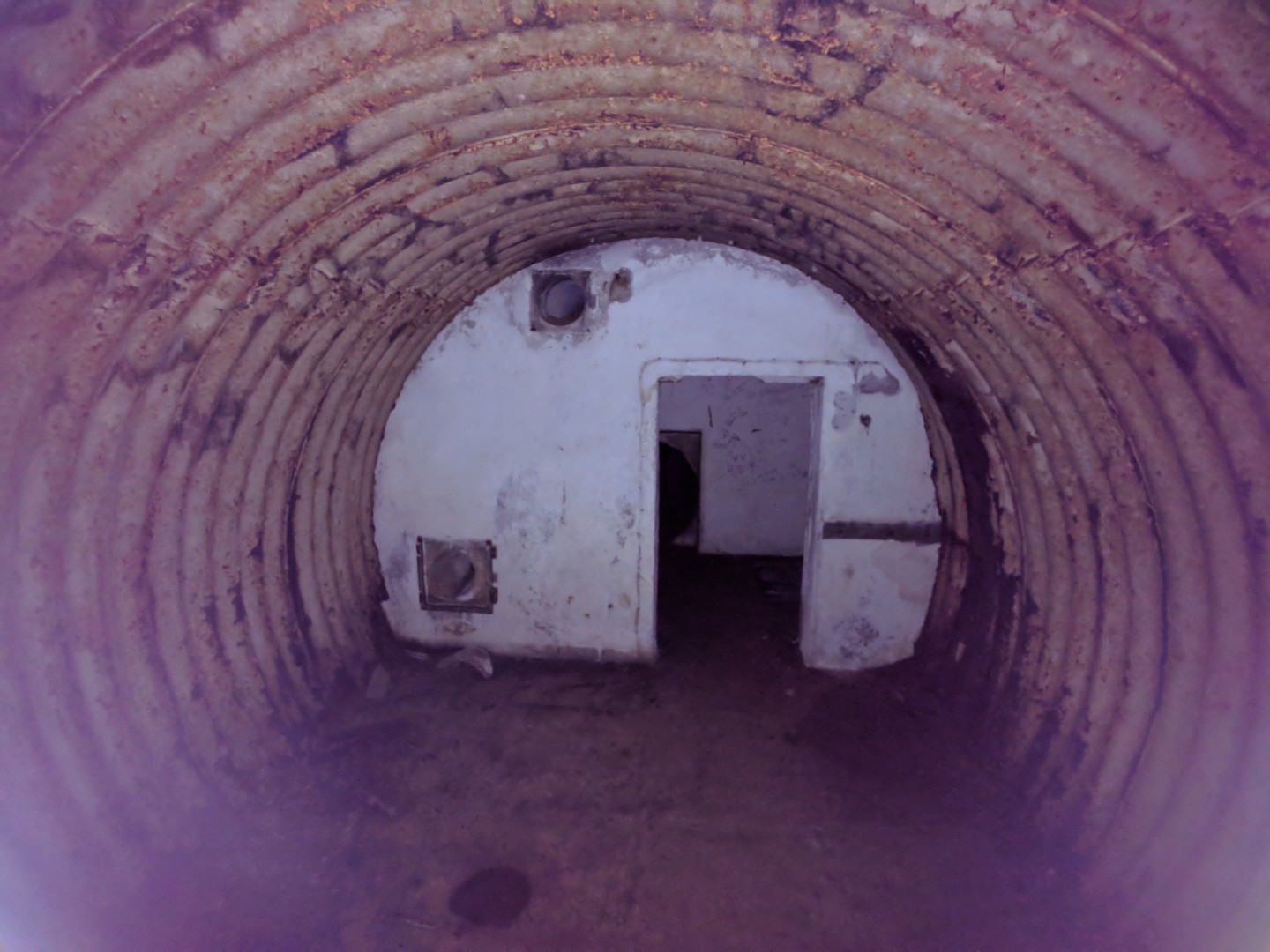
The Auxiliary Units or GHQ Auxiliary Units were specially trained, highly secret units created by the United Kingdom government during the Second World War, with the aim of resisting the expected occupation of the United Kingdom by Nazi Germany, after a planned invasion codenamed Operation Sea Lion. Having had the […]